Sample Assignment: Social Determinants of Health

Discussion Assignment
Length: 500 Word Essay
Purpose: 
The purpose of the graded collaborative discussions is to engage faculty and students in an interactive dialogue to assist the student in organizing, integrating, applying, and critically appraising knowledge regarding advanced health assessment. Meaningful dialogue among faculty and students fosters the development of a learning community as ideas, perspectives, and knowledge are shared.
Course Outcomes
This discussion enables the student to meet the following course outcomes:
  • CO 1: Apply advanced practice nursing knowledge to collecting health history information and physical examination findings for various patient populations. (POs 1, 2)
  • CO 4: Adapt health history and physical examination skills to the developmental, gender-related, age-specific, and special population needs of the individual patient. (POs 1, 2)
  • CO 5: Conduct focused and comprehensive health histories and examinations for various patient populations. (POs 1, 2)


Social Determinants of Health

Social determinants of health – broadly defined by WHO as “the conditions in which people are born, grow, live, work and age, and people’s access to power, money and resources – have a powerful influence on health inequities”. These are the unfair and avoidable differences in health status seen within and between countries.

Assigned Social Determinant of Health

The specified determinant is access and quality of education and is defined as equal access for individuals to realize high-quality education experiences from early childhood and extended throughout life. This determinant is central to long-term health outcomes since education has a powerful impact on socioeconomic status itself and employment and access to treatment and care services. Individuals with higher education have higher health literacy and are able to adopt healthy behaviors, access preventive care, and adhere to treatment regimens. Those with low education are faced with barriers like loss of employment, low income, and chronic conditions, and perpetuate these health disparities from one generation to the next(Coughlin et al., 2020). Nurse practitioners must therefore integrate comprehension of education as a determinant of health assessment so that they can comprehend the broader social context that underlies patient outcomes (Zimmerman & Woolf, 2014).


Healthy People 2030 Goal

A pertinent objective of Healthy People 2030 within the education access and quality category is AH-08: Increase the percentage of high school students graduating within four years. Baseline data show that 86% of high school students graduated within four years in 2017, and the aspiration is to increase this percentage within the next ten years (National Academies of Sciences et al., 2020).This objective serves adolescents uniquely, particularly those within disadvantaged or minority groups, where system inequities consistently yield reduced graduation rates. High school graduation is both a singular educational marker and a lifelong predictor of advantage, including higher employment, greater income, and greater access to health insurance and care. Healthcare providers find it essential to recognize this connection because education is a strong predictor of both acute and long-term health outcomes.


Health History and Interview Questions

In addition, to accurately determine the impact of education as an aspect of a person’s health history, nurse practitioners (NPs) should include questions that identify the level of educational achievement and barriers to education that patients or families may have experienced. An easy way to ask this would be with the following questions: What is the highest level of education you have received, and do you or your children currently attend school? This question opens a framework for the understanding of education. The second question could have been: Has it been difficult for you or your family to access money, transportation, or lack of support to study and stay in school? This is part of the analysis of structural or systemic barriers to education. Finally, a third question could be, “Do you feel that you or your children have access to things like tutoring, mentorship, or counseling services that enable you to succeed in class?” This encourages patients to consider the availability of support networks, which can impact learning performance(Johnson et al., 2022). Together, these questions give the nurse practitioner data on risk factors that directly or indirectly influence health outcomes.


Resources for At-Risk Clients and Families

Two key resources to help support families at-risk to graduate high school include: First, the Communities In Schools (CIS) is a national nonprofit that works in schools to provide mentoring, counseling, and wraparound services that help break down both social and academic barriers. CIS programs have been proven to reduce dropout rates by connecting students to caring adults to help them overcome obstacles to their education, such as poverty, dysfunctional families, or a lack of food security. Second, the National Center for Education Statistics (NCES) is an excellent federal resource that has created robust education data, tools, and reports that help us monitor disparities and identify areas for action(National Academies of Sciences et al., 2023). Nurse practitioners can refer families to NCES reports, raise the public’s awareness of education issues, and advocate for resources. CIS and NCES both address barriers to educational achievement, and NPs want to link families with the appropriate outreach services that they require for their academic and health-related success.


References

Coughlin, S. S., Vernon, M., Hatzigeorgiou, C., & George, V. (2020). Health literacy, Social Determinants of Health, and Disease Prevention and Control. Journal of Environment and Health Sciences, 6(1). https://pmc.ncbi.nlm.nih.gov/articles/PMC7889072/

Johnson, C., Gitay, R., Abdel-Salam, A.-S. G., BenSaid, A., Ismail, R., Naji Al-Tameemi, R. A., Romanowski, M. H., Kazem Al Fakih, B. M., & Al Hazaa, K. (2022). Student Support in Higher education: Campus Service utilization, impact, and Challenges. Heliyon, 8(12). https://doi.org/10.1016/j.heliyon.2022.e12559

National Academies of Sciences, E., Division, H., and M., Practice, B. on P. H. and P. H., & People 2030, C. on I. the S. of H. I. for H. (2020). Department of Health and Human Services Proposed Objectives for Inclusion in Healthy People 2030. In www.ncbi.nlm.nih.gov. National Academies Press (US). https://www.ncbi.nlm.nih.gov/books/NBK555122/

National Academies of Sciences, E., Education, D. of B. and S., and Board on Children, Y., Families, C. on A. the L.-T. I. of the C.-1. P. on C. and Backes, E. P., Gootman, J. A., & Coker, T. R. (2023, March 16). Effects and Potential Interventions in Education. Www.ncbi.nlm.nih.gov; National Academies Press (US). https://www.ncbi.nlm.nih.gov/books/NBK594916/

DNP Project Topics in Primary Care in 2027

Grab these 15+ Ideas for Evidence-Based Nursing Projects in Primary Care

Finding the Right DNP Project Topics in Primary Care

See that DNP professor every nurse student are buddy-buddy with? Wait till they can’t wrap a finger on selecting focused, evidence-based DNP project topics in primary care! And hey, we haven’t left out DNP advanced practice nurses from getting expert help from our experienced nursing writers for the following specialties:

  • Patient Outcomes
  • Preventive Care
  • Chronic Disease Management
  • Health Promotion
  • Quality Improvement
  • Evidence-Based Practice


In one minute, you’ll get a sample list of DNP project titles for primary care in 4 broad categories: Chronic Disease Management, Mental and Behavioral Health, Preventive Care / Health Promotion, and Technology / Telehealth / Digital Health Equity project topics. Read on!

Refer your classmates here and claim a 25% discount on the next order. Hurry while the deal still stands!


What Makes a Strong DNP Project Idea?

Our DNP-graduates-only task team will create you a title with these grade-winning characteristics:

  • Supported by current nursing research
  • Connects to a PICOT Question (for example, examine whether a structured diabetes education program improves A1C levels among adult patients in a primary care clinic over 12 weeks instead of the broad “diabetes management” ballpark)


Learn How to Write PICO / PICOT Questions from certified, experienced experts!


  • Concerned with local and international ethical population health codes
  • Identifies a clinical problem or practice gap that needs immediate improvement
  • Sticks to evidence-based nursing practice
  • Patient-centered, with a bias for patient safety (and most recently, assistive nursing technologies)
  • Measurable healthcare outcomes
  • Feasible within your available timeframe
  • Relevant to a primary care setting


Buy Discounted DNP Project Topics (Primary Care)

If you are still unsure which direction to take after this, I advise you start looking at problems you see in the immediate primary care setting. Ask yourself this:


What could be improved?

Who is affected?

What evidence-based intervention could make a difference?


Let’s jump straight to sample DNP project topics in 5 specializations of primary care nursing:


1.     Free Chronic Disease Management DNP Project Ideas in Primary Care

A primary care provider handles patients with long-term conditions – come on, we’re past such simplicities of nursing, hahaha! Here, a wise nurse student will target a specific practice gap then test an evidence-based, feasible intervention that significantly improves patient outcomes.

Consider:

  • Improving diabetes self-management through structured patient education
  • Improving hypertension management through telehealth, medication adherence, and home blood pressure monitoring
  • Reducing hospital readmissions among patients with asthma or COPD
  • Improving asthma management through an evidence-based patient education program
  • Increasing screening and follow-up for patients at risk of cardiovascular diseases
  • Improving obesity management through lifestyle counseling in primary care
  • Using remote patient monitoring to improve chronic disease outcomes: a case study on Tuberculosis


2.     Modern Mental and Behavioral Health DNP Project Ideas

Psychiatrists in the house know many of today’s patients sneaks help for depression, anxiety, stress, substance use, and other behavioral concerns during routine medical visits. Thumbs up, but don’t you think these patient’s “small matters” could make a strong topic for a DNP quality improvement or evidence-based practice project? Think about in these 5 ways:

  • Improving depression screening among adult primary care patients: the role of routine screening in identification and follow-up among adult patients over 12 weeks
  • Implementing standardized, routine behavioral health and anxiety screening in marginalised rural populations
  • Increasing patient engagement with behavioral health services, integrating mental health screening into routine primary care visits, and referrals coordination after positive identifications
  • Improving depression care through telehealth, patient education, and follow-up behavioral health services
  • Improving screening and referral for substance use disorders through evidence-based stress management community education


3.   Six Sample Preventive Care and Health Promotion DNP Project Topics

The world hasn’t thanked primary care providers enough for preventing illness, identifying health risks early, or helping neo-world patients build healthier habits. Even with preventive care guidelines, imagine! So why not do a preventive care DNP project focused on a specific gap in screening, vaccination, patient education, or health promotion? We’re available 24/7/365 through a dedicated Customer Service Desk for you, no matter where you live!


I actually asked the head of our inhouse practicing consultant what we should do with preventive care and health promotion DNP project topic orders. Guy said “The goal is to introduce an evidence-based intervention then measure whether it improves patient care or outcomes” without looking up. Fellow said you should try these six guaranteed winners:

  1. Increasing adult vaccination rates in a primary care clinic
  2. Promoting smoking cessation among adult patients in primary care
  3. Improving colorectal cancer screening among eligible adults
  4. Promoting physical activity among patients at risk of chronic diseases
  5. Improving preventive health visits attendance and patient participation in lifestyle modification programs
  6. Improving patient knowledge of healthy lifestyle behaviors and nutrition education programs for patients with obesity


4.     Technology, Telehealth, and Digital Health Equity DNP Project Ideas

There’s a whole list of Social Determinants of Health by WHO which affect preventive care, treatment, and overall health outcomes. Your DNP project title could discuss how technology  improves access, follow-up, communication, and chronic disease management. Telehealth, electronic health records, automation, and other healthcare technologies are potential DNP project areas.


After a FREE consultation with a DNP project writer of choice from our vast pool, you can decide to focus on individuals, populations, communities, or even whole healthcare systems while technology-heavy solutions to improve patient care outcomes. Sample these topics:

  • Improving preventive screening and healthcare access among underserved patients through virtual patient education
  • Reducing healthcare disparities in diabetes outcomes through patient portals
  • How to improve culturally competent care in primary care settings using remote patient monitoring
  • Increasing vaccination rates in vulnerable populations through health literacy and electronic health record (EHR) interventions
  • Addressing follow-up care among patients who have limited healthcare access with digital reminders


How to Choose the Best DNP Project Topic in Primary Care

  • Identify a real clinical or practice problem
  • Build on a focused PICOT Question
  • Review current nursing and healthcare literature
  • Determine whether evidence supports an intervention
  • Define the target population and primary care setting
  • Establish measurable outcomes
  • Consider available resources, time, and stakeholders
  • Ensure the project aligns with your DNP program requirements
  • Consider both patient and provider perspectives


Ask yourself:

  • What problem needs to be improved in my primary care setting?
  • Who is affected by the problem?
  • Is there current evidence supporting a possible intervention?
  • Can I measure the results?
  • Is the project realistic with my available time and resources?
  • Does the topic fit my DNP specialty and program requirements?
  • Can I develop a clear PICOT Question around the problem?


A good DNP project topic in primary care should create a logical connection between the practice problem, project purpose, intervention, objectives, and expected outcomes. There’s no way you’re getting that HIGH DISTINCTION if you don’t get the topic right. Place an Order today and take a deserved breather!


Frequently Asked Questions


Are these DNP topics in primary care unique and original?

Yes. All the DNP topics in primary care highlighted in this post were developed and formulated by experienced DNP writers.


Can you help me write a DNP project in any of the topics for primary care?

Yes. We have a team of experienced nurse writers who have specialized in writing MSN and DNP projects in primary care. They will formulate PICOT question and design data collection and implementation phases to achieve overall project outcome.


How much do you charge for writing DNP project?

We charge $16 per page and $11 for rewriting and editing previous done projects.


DNP Project Ideas for FNP

EBP based DNP Project Ideas for FNP to Use in Your DNP Projects

I’ve come to respect this special breed of nurses in my 13+ years of assistance with DNP project ideas for FNP. Hats off to Family Nurse Practitioners wherever you are! I wrote this article so you could grab affordable expert help while choosing or developing a practical topic for that DNP project.


Your professor and mentor need a solid title before approving your DNP project. Welcome to Expert Writing Help where every successful DNP project topic is outcome-focused, practice-oriented, evidence-based, and designed to produce measurable improvements in healthcare or nursing practice. This will only take a few minutes, so let’s roll already.


7 Pro Tips on How to Structure a Successful FNP DNP Project Title

Stop asking yourself what makes a strong FNP DNP project title. We have a team of experts waiting on your order 24/7/365! With guaranteed high grades, there’s no reason to catch bouncing project proposals! Here is our modus operandi:

  • Rule of Thumb: Keep the title narrow and practical
  • Always reference the most current peer-reviewed evidence when developing the PICO / PICOT question for valuable evaluation
  • Select and explain a measurable outcome such as blood pressure, A1C levels, screening rates, medication adherence, patient knowledge, or follow-up rates
  • The DNP project topic MUST be within FNP practice. Consider your timeline, patient population, clinical setting, available data, and core resource needs
  • Patient needs always come first, closely followed by institutional goals
  • Make sure the project title snugly fits your DNP program requirements (they vary, so confirm with your dean first!)
  • Include a sustainability or implementation Very important


IMPORTANT NOTE

We recommend a DNP project title that is practice-oriented, evidence-based, outcome-focused, measurable, and feasible.


What Makes Our FNP DNP Project Titles Strongest?

Simple. It’s because we focus on:

  • A specific practice problem
  • Duplicable, evidence-based intervention
  • Measurable outcomes
  • Feasible project scopes
  • Appropriate and adequate FNP population
  • Justifiable clinical relevance
  • Introducing a relevant PICOT / PICO as a means to narrow down the final topic


Our most common FNP DNP project title approaches for the 2025 cohort (97% success rate) came from:

  • Patient education
  • Clinical guidelines
  • Screening protocols
  • Care coordination
  • Telehealth
  • Remote patient monitoring
  • Medication adherence programs
  • Lifestyle interventions
  • Quality-of-care improvement
  • Healthcare practice change


Beat everyone else to the top of your class! Place your first order here and claim a 20% “Welcome Home Discount” today!


33+ Focused, EBP-based DNP Project Ideas for FNP to Implement in your Project

Let’s do the 5 Most Sought-after DNP project ideas for FNP in 2025:


A)  Chronic Disease Management DNP Project Ideas for Family Nurse Practitioners

If you want to cover practical FNP topics involving long-term conditions, here’s a snippet from hundreds of feasible, practical examples that will pass on the first take:


  • Improving diabetes self-management through structured patient education
  • Increasing medication adherence among patients with hypertension
  • Improving blood pressure control through home monitoring
  • Improving A1C levels among adults with uncontrolled diabetes
  • Supporting weight management through virtual lifestyle counseling
  • Improving asthma self-management through patient education
  • Reducing hospital readmissions among patients with chronic conditions
  • Improving cardiovascular disease risk assessment in primary care
  • Increasing follow-up rates for patients with uncontrolled chronic diseases
  • Using remote patient monitoring to improve chronic disease outcomes


B)  Preventive Care and Health Promotion DNP Project Ideas for FNP Students

Since FNPs work with patients across the lifespan, it makes prevention, early detection, and health education the go-to areas for their DNP projects.


You could steal any of these 10 practical FNP DNP project topics, and we won’t feel bad 😀

  • Increasing adult vaccination rates in urban family practice
  • Improving colorectal cancer screening among eligible adults living in rural areas
  • Increasing cervical cancer screening adherence for handicapped persons
  • Improving breast cancer screening rates for school-going young adults
  • Promoting smoking cessation among unemployed adult patients
  • Increasing preventive health visit attendance for the old
  • Improving cardiovascular risk screening for high-intensity sports personalities
  • Improving nutrition, immunization, and physical activity counseling among young, first-time mothers
  • Increasing patient participation in preventive health programs
  • Improving community health education for patients with obesity living in urban settings
  • Increasing preventive care among under-served populations


C)  Mental Health and Behavioral Health FNP DNP Project Topics

Not a day goes without FNPs handling a patient under depression, substance use, anxiety, stress, or other behavioral health concerns. Don’t get anxious or depressed thinking about the right FNP DNP project title while we’re available for round-the-clock assistance!


Before our team scrubs in readiness for your customized topic, sample these:

  • Improving depression screening in primary care: an examination on whether routine depression screening improves identification and follow-up among adolescent patients
  • Increasing anxiety screening among adult patients
  • How to improve follow-up after positive depression screenings
  • Improving referrals to behavioral health services for patients recovering from substance abuse
  • Practical approaches to increase substance use screening among teenagers
  • Delivering patient education about mental health using technology and social media platforms: a case study
  • Integrating behavioral health screening into routine FNP visits
  • Using telehealth for behavioral health follow-up
  • How to improve medication adherence among patients receiving treatment for depression
  • Developing a standardized mental health screening protocol


D)  Women’s, Men’s, and Family Health DNP Project Ideas for FNPs

The fun part about FNP DNP projects is that you get to choose from different nursing specialties like family nursing, geriatrics, mental health, and many other areas of clinical practice. Lemmie cluster them for better clarity:


Women’s Health DNP Project Ideas

  • Increasing cervical cancer screening rates for pre-menopausal mothers
  • Improving breast cancer screening adherence for women aged 35-45 years
  • Improving prenatal patient education for first-time teenage mothers
  • Increasing contraceptive counseling among married women
  • Improving postpartum follow-up for homeless populations
  • Increasing screening for intimate partner violence among women living in poor neighborhoods


Men’s Health DNP Project Ideas

You may focus on men’s preventive and primary care needs using titles such as:

  • Improving men’s preventive health screening
  • Increasing cardiovascular risk screening for male athletes
  • Improving prostate cancer screening discussions among men aged 45+ years
  • Increasing screening for depression in young adult men
  • Improving patient education about healthy lifestyle choices for college-going males


Adolescent and Family Health DNP Project Ideas

Go for family-focused FNP DNP projects that address:

  • Improving vaccination rates among adolescents
  • Increasing preventive healthcare visits among adolescents
  • Improving nutrition and physical activity education among teens
  • Increasing family participation in chronic disease management
  • Improving health education for parents and caregivers living with needy persons
  • Strengthening preventive care for older adults


E)  Telehealth, Patient Education, and Technology-Based FNP DNP Projects

Emerging technologies give FNPs new ways to improve healthcare access, follow-up, patient education, and chronic disease management using tools such as electronic health records and telehealth. These ones are sure-winners:

  • Using telehealth for chronic disease follow-up
  • Improving diabetes management through virtual visits
  • Using remote patient monitoring for hypertension
  • Increasing access to primary care through telehealth
  • Improving medication adherence with digital reminders
  • Using patient portals to increase patient engagement
  • Improving preventive screening with EHR reminders
  • Delivering virtual patient education for chronic disease management
  • Using telehealth to improve behavioral health follow-up
  • Evaluating the use of digital tools for patient self-management


FNP DNP Students Also Ask

Qn: What are some good DNP project ideas for FNP students?

Ans: A good FNP DNP project can focus on chronic disease management, preventive care, mental health, patient education, telehealth, health promotion, medication adherence, practice change, program development, policy analysis, quality improvement, or technology implementation.

Qn: How do I choose an FNP DNP project topic?

Ans: Start by identifying a problem in your family practice or clinical setting, review current evidence, define your target population, and consider an intervention that could improve patient care using a focused PICO or PICOT question to narrow the idea and establish measurable outcomes.

Qn: What makes a good FNP DNP capstone project topic?

Ans: Practice-oriented, evidence-based, measurable, feasible, and focused on meaningful outcomes to address a real clinical problem with enough stakeholder support to implement the proposed changes.


How to Ace Shadow Health Assessments

Secrets to Pass Shadow Health Assessments

shadow health assessment help
How to Ace Shadow Health Assessments

I’ve scouted the internet for a practical, step-by-step guide on how to ace shadow health assessments without success. Why don’t we address this concern among nursing and healthcare students who wish to improve their clinical reasoning, patient communication, and virtual simulation performance? While many students dread virtual simulations, our 24/7/365 Customer Support Desk will connect you with a practising DNP graduate to strategize on improving your clinical performance, professional confidence, and that grade!


Get to ask for expert shadow health assessment help from our nursing paper writers and access world-class expert nursing assignment support to improve your clinical assessment scores!


What You’re Up Against in Shadow Health Assessments

Shadow health simulations evaluate your ability to conduct patient interviews, perform health assessments, apply critical thinking, document clinical findings, and make evidence-based nursing decisions in this digital tech era. You’re probably already struggling with:


  • Anxiety during simulations
  • Patient-centered care approaches
  • Time management
  • Complex patient scenarios
  • Diagnostic reasoning
  • Documentation errors
  • Communication challenges
  • Tight academic deadlines, or
  • Evidence-based practice knowledge


Don’t you think it’s time you hired a Shadow Health Assignment Expert for

professional assistance? Hire our nursing paper writers NOW!


6 Proven Tips on How to Ace Shadow Health Assessments

Whether you need help with virtual simulations, SOAP notes, or healthcare research projects, we’re a one-stop shop for any shadow health nursing assignment. Below are 6 proven tips our professional academic support use to help hundreds of nurse students to reduce stress and guarantee them academic success:


1.   Understand the Assessment Objectives

Because without understanding what the simulation is evaluating, you’re writing your way to the trash can! Before our experienced writers scribble the first word, they:

  • Re-read your course’s learning outcomes to better understand the patient assessment requirements
  • Review those simulation instructions carefully and plan how to execute the order against the grading criteria
  • Check the nursing competencies being tested, understand documentation / referencing expectations, and line up all relevant authoritative literature


This way, the submission-ready template that hits your inbox days before the school deadline focuses only on the important assessment areas.


Need help understanding your assessment brief? Speak to our Shadow Health experts for cheap, personalized nursing assignment support TODAY!


2.   Get Ready!

Need I shout louder? Prepare thoroughly before the virtual patient assessment!

Make sure to surf over:

  • Anatomy and physiology concepts
  • Common patient symptoms
  • Nursing care plans
  • Physical assessment techniques
  • Pharmacology basics
  • Clinical terminology and
  • Patient interview strategies


Nothing gives you more confidence and uplifts your clinical reasoning during the simulation process than a good old prep!


A Sure Success Strategy

Throughout your healthcare course, hone these competencies:

  • Therapeutic communication
  • Active listening
  • Open-ended questioning
  • Patient history-taking skills


3.   Focus on Effective Patient Communication

You take months preparing gooey lines for your first date, don’t you? With Shadow Health assessments, your communication skills and patient interaction techniques earn you high marks! During the simulation,

  • Build rapport with the patient
  • Use professional language
  • Ask clear and relevant questions
  • Show empathy and compassion
  • Avoid rushed conversations
  • Clarify unclear patient responses


Research has it that therapeutic communication improves patient trust and helps gather accurate clinical information.


For the sake of all that’s clinically holy, DON’T:

  • Interrupt the patient
  • Ask personal, unrelated questions
  • Use judgmental language
  • Trick the patient with emotional cues


Need help with clinical communication? Request a One-on-One Patient Assessment Skills practice sessions with an elite DNP consultant!


4.   Strong Clinical Reasoning Skills are a Must!

Clinical reasoning is the most important component of shadow health assessments in 2026. Every nurse student must learn how to:

  • Interpret patient symptoms
  • Identify abnormal findings
  • Prioritize patient concerns
  • Connect assessment findings
  • Make evidence-based decisions
  • Apply nursing interventions appropriately


Strong clinical reasoning also helps you with:

  • Differential diagnosis
  • Risk assessment
  • Nursing care planning
  • Patient safety management


You need not spend agonizing nights over such basics. Click Here and go on with your ward rounds or vacay without a worry and have an expert nurse writer handle your shadow health assessment for just few dollars


5.   Practice Documentation and SOAP Notes

Nursing education and clinical practice are stale without accurate documentation. To avoid an ugly grade, we can help you practice how to write pro:

  • SOAP notes
  • Patient summaries
  • Nursing assessments
  • Clinical observations
  • Care plans
  • Evidence-based recommendations


Have you ever come across our FREE to DOWNLOAD templates? You’ll immediately notice we’re ever:

  • Clear
  • Organized
  • Concise
  • Accurate
  • Biased with professional formatting


6.   Review Peer / Mentor Feedback, and Learn

One good thing about virtual simulation is the opportunity to immediately review feedback and improve on future assessments. After each assignment,

  • Analyze instructor comments
  • Identify your weaknesses
  • Review missed questions
  • Practice difficult sections again
  • Improve communication techniques
  • Plug clinical knowledge gaps

Need Ongoing Nursing Support?

Get personalized feedback assistance to improve your shadow healthcare assessment results! Order cheap nursing assignment support today and

improve your clinical performance fast. See more FREE templates here.

Integration of Artificial Intelligence (AI) in Nursing Practice: A Curated Research

Artificial Intelligence in Nursing Practice
Integration of Artificial Intelligence (AI) in Nursing Practice: A Curated Research

1.0 Introduction

AI refers to all computerized systems capable of performing clinical tasks that require human intelligence including pattern recognition, data analysis, learning, and decision-making. According to Eric Topol, AI has potential to improve clinical care by combining advanced data analytics with human healthcare expertise. Similarly, Fei Jiang and colleagues justify the use of AI technologies like machine learning, robotics, and predictive analytics to clinical diagnosis, patient monitoring, or healthcare management in modern institutions (Robert, 2019; Shahid et al., 2019). Concerns remain regarding ethical AI governance, algorithmic bias, and the need for new competencies among nurses (Obermeyer et al., 2019). The integration of artificial intelligence into nursing practice is transforming healthcare delivery by improving clinical decision-making, enhancing patient monitoring, and reducing administrative workload. However, its successful implementation requires addressing ethical concerns, data security issues, and the need for new technological competencies among nurses (Buchanan et al., 2021).


2.0 Justification

The integration of AI into healthcare systems is driven by increasing patient demands, workforce shortages, and the growing complexity of delivering healthcare. According to the WHO (2025) report, global professional nurse shortages pose a major threat to healthcare systems: as patient populations grow and chronic illnesses increase, healthcare providers manage larger volumes of data while expected to discharge quality care under limited resources (Howard, 2019).


AI technology emerged as a tool for improving efficiency and supporting clinical decision-making because tech-powered systems analyse large volumes of patient data in real time, identify patterns, and predict outcomes that may not be immediately visible to clinicians (Topol, 2019).


Research highlights the expanding role of AI in diagnosis, treatment planning, and decision support (Jiang et al., 2017). In nursing practice, AI supports patient monitoring, risk prediction, and documentation – thus improving care quality and safety (Robert, 2019; Shahid et al., 2019). Electronic health records enable machine learning algorithms to support diagnosis and patient management (Jiang et al., 2017) even as the COVID-19 pandemic accelerated digital health and AI adoption (Keesara et al., 2020). Emerging applications such as robotic patient sitters reduce nursing workload (Logsdon et al., 2022).


Exposure to healthcare robotics also shapes professional nurses’ readiness to work with AI technologies (Zrínyi et al., 2022). However, concerns remain regarding algorithmic bias and ethical oversight in AI-supported healthcare decisions (Obermeyer et al., 2019). AI integration is therefore expected to influence future nursing education and competencies (Buchanan et al., 2021).


3.0 Application in Nursing Practice

Literature identifies practical applications of AI in nursing practice particularly in predictive monitoring, clinical decision support, workflow management, and documentation. AI-driven clinical decision-support systems analyse laboratory results, patient records, and medical histories to assist clinicians in diagnosis or treatment selection; thereby improving diagnostic accuracy and reducing medical errors (Jiang et al., 2017; Topol, 2019).


Under predictive analytics, AI models analyse patient data to identify individuals at risk of complications such as sepsis, hospital readmission, or clinical deterioration. Early detection is necessary for timely nursing interventions to improve patient outcomes (Shahid et al., 2019). AI is also used in hospital operations to forecast admissions, optimise staffing, and manage bed allocation – simultaneously improving efficiency and reducing nurse workload pressures (Robert, 2019).


In addition to transforming clinical documentation through natural language processing and speech recognition systems to automatically generate clinical notes from patient interactions, AI-driven technologies such as healthcare robots deployed as patient sitters enhance patient safety while supporting routine monitoring (Logsdon et al., 2022).


4.0 AI and Telehealth

Telehealth enables healthcare providers to deliver medical services remotely through digital communication technologies. AI technologies in telehealth systems analyses patient data collected from wearable devices or remote monitoring equipment. For example, AI-based monitoring systems can track vital signs such as heart rate, blood pressure, and oxygen saturation then automatically alert nurses. This capability allows healthcare professionals to respond quickly to potential health risks and provide timely interventions.


Research suggests that AI-enhanced telehealth services improve healthcare accessibility for individuals living in remote or underserved communities (Keesara et al.,, 2020). Additionally, telehealth technologies made it possible for patients with chronic conditions to receive continuous monitoring / support without frequent hospital visits.


5.0 Impact

AI integration in healthcare both reshapes and preserves the core responsibilities of nursing such as patient care or clinical assessment. Full AI integration requires nurses to interact with digital systems, interpret algorithm-generated data, and collaborate with interdisciplinary teams like data scientists. Consequently, competencies in health informatics, digital literacy, and data interpretation are becoming elemental in nursing education or professional development.


Rather than replace professional nurses, AI is designed to augment their capabilities by automating routine tasks and providing data-driven insights. This allows scarce nurses to focus on complex clinical judgement and patient-centred care. Actually, Buchanan et al. (2021) argue that AI strengthens the human aspects of nursing practice while improving efficiency and quality of care.


6.0 Benefits

AI integration in nursing improves patient safety and clinical accuracy. By rapidly analysing large datasets, AI systems detect early signs of complications and support timely clinical interventions. AI also helps reduce nurse workload and burnout by automating repetitive tasks such as patient documentation. Moreover, predictive analytics improves healthcare efficiency – better resource allocation, reducing hospital readmissions – through precision operational planning. The benefits allow nurses to focus more on patient care while helping healthcare systems improve quality and manage costs effectively.


7.0 Challenges

Despite the benefits, integrating AI into healthcare presents ethical and practical challenges. A key concern is data privacy and security as AI systems largely rely on volumes of patient data, raising the risks of confidentiality and potential misuse of sensitive health information. Another challenge is algorithmic bias; AI systems are trained using historical datasets which reproduce existing inequalities in healthcare delivery, leading to unequal treatment outcomes among different patient groups (Obermeyer et al., 2019).


There are also concerns about over-reliance on AI tools in clinical practice. Nurses must ensure that technology supports rather than replaces professional judgement and critical thinking. Additionally, full AI implementation requires substantial investment in infrastructure, training, and organisational changes for effective integration into a healthcare system.


8.0 Conclusion

As an emerging force transforming modern nursing practice, evidence shows that medical institutions can use AI to improve patient care, strengthen clinical decision-making, and reduce administrative workload using tools like predictive analytics, decision-support systems, telehealth, and automated documentation. However, successful integration of AI in nursing practice requires clinicians to address challenges such as data privacy, algorithmic bias, and workforce adaptation. AI should, therefore, be used as a support tool rather than a replacement for nurses. Combined with professional expertise, AI can drive nursing efficiency and preserve compassionate, patient-centred care in an increasingly complex healthcare environment.


As artificial intelligence continue to evolve nursing students must stay ahead of the curve. For those struggling with the complex nursing assignments and coursework required for advanced degrees, seeking specialized DNP assignment help can ensure your research meets academic standards.

One of the areas that continue to attract research interest is AI ethical challenges in nursing. Our nursing capstone project writers will offer you invaluable assistance in case you decide to do a project in any facet of AI and how it impacts nursing practice and research.

References


Buchanan C, Howitt M, Wilson R, Booth R, Risling T, Bamford M. (2021) Predicted Influences of Artificial Intelligence on Nursing Education: Scoping Review. JMIR Nursing 2021; 4 (1): e23933


Howard J. (2019) Artificial intelligence: Implications for the future of work. Am J Ind Med. 2019 Nov;62(11):917-926.

DOI: 10.1002/ajim.23037. Epub 2019 Aug 22. PMID: 31436850.


Jiang, F., Jiang, Y., Zhi, H., Dong, Y., Li, H., Ma, S., Wang, Y., Dong, Q., Shen, H., & Wang, Y. (2017). Artificial intelligence in healthcare: Past, present and future. Stroke and Vascular Neurology, 2 (4), pp 230–243.


Keesara, S., Jonas, A., & Schulman, K. (2020). COVID-19 and healthcare’s digital revolution. New England Journal of Medicine, 382 (23), e82.


Logsdon M, Abubakar S, Das S, Mitchell H, Gowda B, Wuensch E, Popa D. (2022) Robots as Patient Sitters. CIN: Computers, Informatics, Nursing 2022;40(9):581


Obermeyer, Z., Powers, B., Vogeli, C., & Mullainathan, S. (2019). Dissecting racial bias in an algorithm used to manage the health of populations. Science, 366 (6464), pp 447–453.


Robert, N. (2019). How artificial intelligence is changing nursing. Nursing Management, 50(9), 30–39.


Shahid, N., Rappon, T., & Berta, W. (2019). Applications of artificial intelligence in healthcare: A systematic review. Health Information Science and Systems, 7 (1), pp 1–15.


Topol, E. (2019). Deep Medicine: How Artificial Intelligence Can Make Healthcare Human Again. Basic Books.


World Health Organization (WHO). (2025)

State of the World’s Nursing Report. Global Report (online). Available at: https://www.who.int/publications/i/item/9789240110236/ ISBN: 978-92-4-011023-6 (Accessed: 8 March 2026).


Zrínyi M, Lampek K, Pakai A, Vass D, Oláh A. (2022) Changing the Perceived Views of Student Nurses Concerning Healthcare Robots. CIN: Computers, Informatics, Nursing 2022; 40 (12): 797

Major Reasons DNP Projects Are Rejected

Major Reasons DNP Projects Are Rejected

We spoke to more than 20 practicing professors and they gave 15 major reasons why DNP projects are rejected. We’re here to make sure all the months of painstaking research plus those long nights drafting the DNP capstone project paper aren’t in vain! This article purposes to help DNP finalists identify, understand, and overcome the most frequent reasons why their DNP project may be rejected.

Every single DNP student dreams of seeing their project approved on the first submission. Yet, nearly 49% of all DNP capstone project papers in 2025 were outrightly rejected or sent back for revisions. Most of these failures stem not from a lack of student effort but from avoidable design, compliance, or documentation errors.

Tease your lecturer with confident academic communication and pristine structure using our proven strategies that improve success rates. Talk to our expert DNP project writers  NOW!


DNP Capstone Projects Demonstrate Scholarly Clinical Aptitudes, Nursing Leadership, and Evidence-Based Practices

DNP capstone papers wrap scholarly experiences for graduates by demonstrating advanced clinical scholarship traits, nurse leadership competencies, and EBP to address real-world healthcare challenges. Although heavy criticism and substantial project redesigns are common in a DNP journey, nobody wishes for a stalled project, total rejection, or program withdrawal in extreme cases.

The rising number of modern DNP programs has pushed some institutions to develop specific Project Ethical Review Committees (PERCs) that manage the sheer volume and academic rigor of DNP capstone submissions. This decision is informed by 87% of faculty today being somewhat or very dissatisfied with the papers they receive. A whooping 64.5% of DNP students don’t have time to write a quality capstone project paper, while 63.8% of those we interviewed had difficulty knowing how to even get started. Official statistics on outright withdrawal from nursing programs aren’t published yet.


Need help with writing a DNP capstone paper to avoid rejection or forceful program withdrawal? Place your order with us TODAY for A+ grades. Click here.


What Makes a Successful DNP Capstone Project Paper?

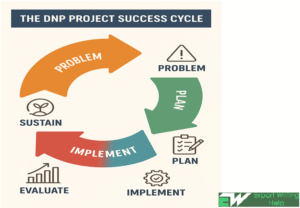
DNP Project Writing Cycle
An illustration of the DNP project success cycle.


You’re probably wondering how our team of experts assists DNP students the world over to write custom capstone project papers that earn high grades all the time. Simple – we follow the following guidelines strictly for each order. Feel free to share this 10-point guide with the 2025 cohort so that everyone in your class graduates with high marks:


  • Our inhouse practicing expert writers are DNP graduates with years of experience on their sleeves. These gurus know the difference between traditional research and DNP capstone projects. If you couple that with an A-list of distinguished consultants in all the 14+ nursing disciplines and English language grandmasters, you get a winning DNP capstone paper every time!


  • From the assessment brief and your specific assignment instructions when placing an order, we deliberately focus on applying classroom knowledge to real-world nursing scenarios to improve your practice


  • Nobody knows institutional requirements including IRB approvals, sustainability plans, and organizational support better than us!


  • We match every single order to AACN essentials, clearly discuss measurable research outcomes, and succinctly present evidence-based changes


  • We don’t take your DNP capstone project as just another academic activity or draw a topic from a generalized area of nursing interest. We guarantee you a sharp, personalized, problem-focused, and data-backed paper that addresses a significant gap in contemporary nursing practice


  • Every DNP project paper we send to your inbox impacts outcomes at a systems level (micro-, meso-, or at the macro-level) or for a specific population. Ours is a platform for future scholarly practice with SMART objectives and outcomes


  • Your DNP project report positively contributes to the vast body of scholarly knowledge in nursing practice. There’s a concrete plan on sustaining changes within the organization after your involvement ends in consideration of financial, systems, and political realities


  • The project findings are shareable beyond academic settings through oral or poster presentations at professional conferences. Yes, you can submit our final manuscript for publication in a peer-reviewed nursing journal!


  • A feasible and realistic DNP project timeline with a detailed description of data collection / analysis methods, project design, setting, and samples


  • A winning DNP capstone project paper with zero AI-generated phrases, which doesn’t plagiarize authoritative nursing literature, and finely combed for English grammar errors

15 Major Reasons DNP Projects Are Rejected — And How You Can Overcome Them


Let’s take a look at 15 of the major reasons why your DNP project could bounce and how to fix them. Also included are practical examples and best practice tips from our DNP capstone project submission archives. I’ve split the weaknesses into 3 major categories (conceptual and topic-related issues, design / methodological weaknesses, and ethical, institutional & formatting errors):


# Reason for Rejection How to Avoid / Fix Best Practice Tip / Example
Category A: Conceptual and Topic-Related Issues
1 Weak (vague) statement of the problem


Many DNP project proposals fail because their thesis statement is either too broad or lacks measurable focus. A DNP project review committee wants clarity on the “why” and “how” of your capstone project

●       Use a PICOT question to define the research population, possible interventions, comparisons, projected outcomes, and a feasible timeframe


●       Write a concise, evidence-supported problem statement linked to a measurable impact

Replace the ambiguous “How to improve patient outcomes for rural populations,” you could sharply focus the DNP research question to “Reducing catheter-associated infections for rural ICU patients through nurse-led hygiene protocols”
2 The research topic is too broad or too narrow


A DNP project that covers too much ground is unmanageable. An overly narrow research topic lacks measurable impact


●       Narrow the focus to a manageable, high-impact issue

●       Use PICO or PICOT to structure the research topic

●       Get DNP topic selection assistance from a human agent 24/7/365

Instead of a bland “Improving patient safety,”  you may focus on “Reducing medication errors in post-op patients”
3 Research doesn’t match with the DNP scope or competencies


– Your project will fail if it doesn’t clearly demonstrate the application of advanced nursing practice, leadership, or evidence-based improvements in healthcare


– If the clinical or organizational problem isn’t clearly defined (or lacks significance to patient outcomes and overall health system performance), you will surely fail


●       Ensure your DNP capstone project addresses clinical practice improvements, leadership, or patient outcomes as defined in the AACN DNP Essentials (2021) Synchronize your research objectives with AACN Essentials 2021 (for example, systems thinking and interprofessional collaboration)
4 Unclear linkage to evidence-based practice (EBP)


A DNP proposal that lacks a strong foundation in current research, guidelines, or best practices is bound to fail

●       Conduct a thorough literature review from the past 5 years


●       Cite authoritative, peer-reviewed EBP sources

Integrate at least 13 relevant, recent studies in your submission that justifies your intervention or the QI approach
5 Misalignment between the research problem, purpose, and objectives


The DNP project’s purpose or aims should logically flow from the identified problem and lead the audience to conceptual inconsistencies

Ensure a logical flow: Problem → Purpose → SMART Objectives → Outcomes If your problem is on poor hand hygiene for example, your purpose should focus on improving compliance through public sensitization programs, NOT general infection control
Category B: Methodological and Design Weaknesses
6 Inappropriate (poorly justified) project designs


Using the wrong approach (e.g., research instead of quality improvement) or not explaining why the chosen design fits the problem amounts to rejection


Match your DNP project design to the purpose of study (e.g. QI, process improvement, program evaluation) and justify why it’s most appropriate Use Plan-Do-Study-Act (PDSA) for quality improvement or a logic model for implementation
7 Inadequate data collection and/or analysis plan


Many DNP project reports miss critical details on how data will be gathered, analyzed, or interpreted. Watch out for pre- and post-intervention comparisons


Describe in detail your data sources, analysis tools, timelines, and analytical methods Use validated data collection and analysis tools such as the Maslach Burnout Inventory or Hospital Consumer Assessment of Healthcare Providers and Systems (HCAHPS)
8 No measurable outcomes and the conspicuous absence of evaluation metrics


DNP projects are rejected whenever their success can’t be quantified through valid, reliable indicators.


●       Define clear, quantifiable indicators (clinical, process, and satisfaction outcomes)


●       Make a list of SMART goals at early stages of the project report

An example of a SMART goal would be “To increase fall risk assessment compliance from 60% to 90% within eight weeks”
9 Zero planning on sustainability and project implementation within the report


Nursing capstone projects that fail to describe how improvements will be maintained after the intervention period definitely earn a rejection


Add a post-project plan showing how you will maintain improvements; for example through staff training or policy integration We always include a sustainability / implementation plan tied to annual performance reviews or the QI dashboard for every DNP capstone project order
10 Insufficient stakeholder engagement


Not involving key stakeholders like nursing leaders, clinicians, and patients weaken feasibility and organizational buy-in. It is also a direct ticket for your DNP project to be rejected


Involve key leaders early in your project. Include the feedback of nurse managers, physicians, and QI committees Create an analysis matrix that shows the roles, interests, and support levels for every stakeholder
Category C: Institutional, Ethical, and Formatting Errors
11 Missing organizational approval or a supporting letter


Most nursing schools require a letter from the practice site to confirm partnership and feasibility


Obtain a formal site approval or attach a partnership letter confirming feasibility and data access for your DNP project Attach a signed, certified letter from the Chief Nursing Officer or site director
12 Failure to obtain IRB or ethical clearance


Proposals that skip ethics approval, especially when involving patient data, are immediately disqualified


●       Secure an IRB / exemption approval before implementing your project

●       Include relevant documentation in the appendices

Mention for example “IRB APPROVAL RECEIVED FROM XXX UNIVERSITY, PROTOCOL #003 of 2025” or its equivalent, and annex supporting documents
13 Plagiarism, using GPT and AI writing tools, or weak academic integrity


Projects containing copy-pasted texts, improperly cited evidence, or in violation of institutional policies on GPT and the use of AI tools are immediately rejected


●       Before submission, run your assignment through plagiarism and AI-detection tools like Turnitin, GPTZero, CopyLeaks, or Grammarly Premium


●       Cite every source correctly using APA (7th edition)


Did You Know?


You can book for cheap AI text humanizing services and help with referencing!

●       If you can’t write 100% organic content like our experts, paraphrase ideas instead of copying text

●       Maintain a 5% or less similarity index

●       Ensure your submission has less than 20% flagging for AI content (considered as the maximum limit for false positives)

14 Incomplete or non-compliant submission


Missing whole sections like an abstract, logic model, evaluation plan, or incorrect formatting as per the DNP manual guidelines lead to rejection


●       Strictly adhere to your institution’s DNP manual and the assignment brief

●       Check that your final draft has a title, an abstract, a logic model, evaluation tools, and appropriate appendices

Download a free DNP Project Checklist before submission to ascertain all mandatory sections are present
15 Poor writing quality with no scholarly tone


Unclear, disorganized, and non-academic writing tone undermines the credibility and readability of a DNP capstone paper, resulting to rejection


●       Write in clear, logical, academic, and evidence-based language

●       Follow specific DNP formatting guidelines preferred by your faculty

●       Adhere to a single referencing technique

●       Let your research flow in a logical, error-free style

Use the third-person, objective tone: for example, write “The findings indicate that…” but not “I found that…”


Subscribe to Our Affordable DNP Capstone Project Help Service Today!

The 5 strategies below always delivered a strong DNP project proposal for our clients:

  • Ground your project in AACN DNP Essentials (2021). Review ethical and institutional compliance guidelines before you start


  • Use PICO / PICOT and SMART objectives for precision


  • Maintain strong stakeholder engagement from planning through to project evaluation


  • Include clear evaluation metrics. Discuss favorable sustainability and dissemination plans


  • Seek the opinion of mentors or qualified others. Ask a qualified person to help with thorough proofreading and formatting reviews before submission


DNP Students Also Ask

Qn: Do all DNP projects need IRB approval?

Ans: No. Only DNP projects involving human participants or data from human participants require IRB reviews or institutional determination.


Qn: What’s the prime difference between a quality improvement project, a research study, and EBP in DNP?

Ans: QI uses systematic processes to improve patient outcomes whereas a research study applies quantitative or qualitative methodologies to develop new knowledge. EBP seeks and applies the best clinical evidence, often from research, towards making sustainable patient-care decisions.


Qn: How long does a DNP capstone project take from start to approval?

Ans: A DNP project takes 18 to 24 months from start to final approval. The exact duration depends on whether you’re enrolled full-time or part-time, the intricacy of the project, and approval process efficiencies at your institution or clinical site.

PRISMA Framework for Systematic Literature Review

PRISMA Framework for Systematic Literature Review

The most prominent systematic literature reviews (SLRs) for healthcare research in 2024 is the PRISMA framework for systematic literature review. The role of identifying, synthesizing, and evaluating review results for evidence-based studies is best left to a PRISMA statement.

In healthcare research, PRISMA is an acronym for Preferred Reporting Items for Systematic reviews and Meta-Analyses. It’s a 27-item checklist designed to help clinical research authors improve transparency in their systematic literature reviews. A PRISMA statement elaborately covers aspects of a manuscript including the title, introduction, abstract, approaches, findings, discussion, and funding models.

The Four Key Elements of a PRISMA Framework

For a systematic literature review to record success, it should manifest these four key traits:

  • A well-formulated, specific question.
  • A reproducible methodology that avoids bias.
  • Sources review data from multiple databases.
  • An inclusion and exclusion criteria that is standard and predetermined.

From 1986 to 2024: A Brief History of PRISMA SLR Framework

The earliest known form of the PRISMA framework dates back to April 23rd, 1986, in Lima. A multidisciplinary group of researchers set the threshold for evidence-based reporting to assess the benefits and dangers of healthcare interventions. We’ve chronic childhood malnutrition and its risk factors to thank for this ingenious SLR!

The Swift Evolution of PRISMA SLR

A 29-man group of research methodologists, review authors & editors, consumers, practicing clinicians, and medical journal publishers developed PRISMA in 2005. After a three-day meeting and electronic correspondence, they drew a 27-item checklist and flow diagram to review literature evidence.

Ever since, there have been consented extensions notably in 2009, 2015, and 2020. There are adaptations as young as 2024; with future prospects of further extensions to cater for emerging clinical research needs.

Notable Updates in PRISMA Statement

Adjustments in previous PRISMA statements feature enhancements such as:

  • Tailored diagrams for updated reviews.
  • Additional scoping reviews.
  • Flexibility to account for evolving methodologies.

Some common extensions and adaptations of PRISMA since 2015 include:

#1: PRISMA-P

These adjustments are protocol-specific. PRISMA-P, as published in 2015, aimed at facilitating the development and reporting of systematic review protocols.

#2: PRISMA for Scoping Reviews (PRISMA-ScR)

Scoping reviews helps to justify a systematic review of the literature. The intent is to help readers develop an understanding of core concepts, relevant terminology, and key items to report.

#3: PRISMA-S

This adjustment focuses on the unique role of information specialists and librarians in literature searches’ reproducibility.

 #4: PRISMA DTA (Diagnostic Test Accuracy) Studies

The main objective is reinforcing diagnostic and specific requirements of reporting for systematic reviews and meta-analyses (test accuracy studies) in abstracts.

#5: Outcome Measurement Instruments (OMIs) and COSMIN (COnsensus-based Standards for the selection of health Measurement INstruments) Initiatives

Previous PRISMA statements missed key outcome information in published reports. This extension aims to plug those leaks.

How Beneficial are PRISMA Guidelines to Healthcare Research?

Of all available SLRs, PRISMA is taunted as the most efficient, trustworthy, and with the highest reproducibility rates. The other five major benefits of using this SLR include:

  • PRISMA framework has the highest scientific merit of all meta-analyses/ scientific review models due to its high transparency.
  • Most scholarly journals endorse and reference the PRISMA statement in their guidelines to clinical research authors.
  • PRISMA reviews identify and prioritize future nursing research.
  • Addresses questions and deficiencies that individual studies under other SLRs miss.
  • PRISMA statements generate and evaluate theories on why and how medical phenomena occur.

Question: Can I Use the PRISMA Framework for Qualitative Healthcare Research?

Answer: Yes. The PRISMA statement contribution to existing knowledge necessitates its application in systematic literature review checklists for qualitative clinical data analysis.

The Components of a PRISMA Framework

The PRISMA framework for systematic literature review has three main components:

  1.  A checklist with 27 elements.
  2. A four-phase flow diagram, And
  3. An elaborate explaining document.

 The PRISMA (2020) Checklist and Explanation Document

The table below details the 27 key elements of a PRISMA (2020) checklist. There’s also an expanded column that details updated reporting recommendations for each item.

Section and Topic Item # Checklist Item Location (Where Item is Reported)
TITLE
Title 1 Identifies report as a systematic review
ABSTRACT
Abstract 2 See Abstracts checklist
INTRODUCTION  
Rationale 3 Rationale for review in context of existing knowledge
Objectives 4 Explicit statement of objective(s) or question(s)
METHODS
Eligibility Criteria 5 Inclusion and exclusion criteria, how studies are grouped for syntheses
Information Sources 6 Databases, registers, websites, organizations, reference lists, or other sources. State date of last search / consultation
Search Strategy 7 Search strategies, filters and limits used.
Selection Process 8 Inclusion criteria assessment methods, retrieved report / record / data’s independent reviewers, and automation tools used
Data Collection Process 9 Data collection methods, obtaining / reviewing / confirming data from investigators, and any automation tools used
Data Items 10a List and define outcomes for which data were sought
10b List and define variables e.g. participant & intervention characteristics and funding sources. Describe assumptions about missing or unclear information
Study Risk of Bias Assessment 11 Specify methods of assessing risk of bias including tool(s) used, reviewers who assessed each study, if they worked independently, and automation tools used
Effect Measures 12 Specific outcome effect measure(s) such as risk ratio or mean difference in results synthesis or presentation
Synthesis Methods 13a Describe processes that decided which studies were eligible for each synthesis e.g. (tabulate study intervention characteristics against planned groups (See #5)
13b Explain data preparation methods for presentation / synthesis. Include information such as handling missing summary statistics and data conversions
13c Describe tabulation methods or visual displays of results in individual studies and syntheses
13d Describe methods used to synthesize results and rationalize choices. Describe the model(s), method(s) to identify the presence and extent of statistical heterogeneity, and software package(s) used in meta-analysis
13e Methods used to explore possible causes of heterogeneity among results e.g. subgroup analysis and  meta-regression
13f Describe sensitivity analyses to assess robustness of synthesized results
Reporting Bias Assessment 14 Methods used to assess risk of bias due to missing results in a synthesis arising from reporting biases
Certainty Assessment 15 How to assess certainty (or confidence) in the body of evidence for an outcome
RESULTS
Study Selection 16a Describe results of search and selection process from the number of records identified in the search to the number of studies included in review, ideally using a flow diagram
16b Cite studies that meet the inclusion criteria, but which were excluded, and explain why they were excluded
Study Characteristics 17 Cite each included study and present its characteristics
Risk of Bias in Studies 18 Present assessments of risk of bias for each included study
Results of Individual Studies 19 For all outcomes, present: (a) summary statistics for each group

(b) An effect estimate and its precision e.g. Confidence /credible interval using structured tables or plots

Results of Syntheses 20a For each synthesis, briefly summarize the characteristics and risk of bias among contributing studies
20b Present results of statistical syntheses conducted
20c Results of  investigations of possible causes of heterogeneity among study results
20d All sensitivity analysis to assess robustness of synthesized results
Reporting Biases 21 Assessments of risk of bias due to missing results (arising from reporting biases) for each synthesis assessed
Certainty of Evidence 22 Present assessments of certainty in the body of evidence for each outcome assessed
DISCUSSION
Discussion 23a Provide interpretation of results in context of other evidence
23b Discuss limitations of evidence in the review
23c Limitations of the review processes used
23d Implications of results on practice, policy, and future research
OTHER INFORMATION
Registration and Protocol 24a Registration information for the review, including register name and registration number, or state that the review wasn’t registered
24b Indicate where the review protocol can be accessed, or state that a protocol was not prepared
24c Describe amendments to information provided at registration or in the protocol
Support 25 Describe sources of financial or non-financial support for the review, and role of funders in the review
Competing Interests 26 Declare any competing interests of review authors
Availability of Data, Code and Other Materials 27 Report which of the following are publicly available and where: template data collection forms; data extracted from included studies; data used for all analyses; analytic code; other materials used in the review.

Fig 1.1 : An adapted PRISMA (2020) Framework Checklist

( Source: Page MJ, McKenzie JE, Bossuyt PM, Boutron I, Hoffmann TC, Mulrow CD, et al. The PRISMA 2020 Statement: An Updated Guideline for Reporting Systematic Reviews. BMJ 2021;372:n71. doi: 10.1136/bmj.n71 )

The PRISMA Flow Diagram

Fig 1.2: The PRISMA Flow Diagram ( Image: Courtesy)

A PRISMA diagram has two main parts: a flow diagram and a checklist. A checklist has specific items that ensure transparency and completeness in the literature review report. The flow diagram is a visual representation of the search processes and criteria, from identification to inclusion or exclusion.

The Article in Summary

To make a systematic review valuable to its consumers, authors should prepare an accurate, complete, systematic, and transparent literature review. PRISMA statements account for what, how, and why the review was done and the outcomes.

The 27-item PRISMA 2020 checklist provides updated reporting guidance for systematic literature reviews. It reflects advances in identification, selection, appraisal, and synthesis methods of medical studies.

PRISMA is likely to evolve in response to new research methodologies, including AI and machine learning. We anticipate that adjustments will benefit authors, peer reviewers, editors, guideline developers, patients, policy makers, and healthcare providers to optimize their practice. This article hopes for broader use and wider adoption in diverse academic fields beyond clinical research.

Glossary of Literary Terms

Systematic Literature Review (SLR): The academic practice of connecting the research topic to existing knowledge.

Reporting Guidelines: A term in systematic literature review linked to the purpose of PRISMA statements in ensuring structured and complete reporting.

Risk of Bias: A measure of assessing the study’s quality and transparency.

Protocol Registration: Pre-registration of systematic literature reviews for transparency and adherence to legislative / ethical standards.

PRISMA Extensions: Specialized adjustments such as PRISMA-P, PRISMA-ScR, and PRISMA-S for modern systematic literature reviews.

Preferred Reporting Items: Another term for topic relevance in a literature review.

Methodological Rigor: The emphasis on a structured, intensive approach in conducting reviews.

Research Validity: The trustworthiness and reliability of research methodology or its outcomes.

Search Strategy Documentation: Important for extracting systematic review details, especially in PRISMA-S.

Outcome Reporting Bias: A specific type of bias PRISMA addresses, useful in NLP models detecting bias patterns.

Knowledge Translation: The PRISMA framework indirectly contributes to this concept by promoting clear and standardized reporting of findings.

How to Write Evidence Synthesis for DNP

How to Write Evidence Synthesis for DNP

There’s enough inbox requests on how to write evidence synthesis for DNP this past year to patch this article. Seems faculty heads are rolling eyes behind badly-scripted DNP literature, integrative, and scoping reviews more than any other annual averages. Before another instructor cusses, I’ll save your hide with this comprehensive, evidence-based practice information synthesis guide.

The Best Evidence Synthesis Methodologies (2025)

An evidence synthesis for DNP capstone papers refer to a succinctly distilled summary of appraised empirical literature, whether quantitative or qualitative. Its main purpose, according to Terri A. and Karen H’s 2018 paper, is to guide recommendations for practice improvement. Although content clarity is emphasized, nurse students should also outline and present their review in an easy-to-follow format.

And that’s where expertwritinghelp.com comes knocking with the best online DNP evidence synthesis writing service!

Want to gather the best background data from divergent sources and disciplines in support of your DNP project’s thesis statement? Contact Us NOW for the most accurate, current, and affordable DNP evidence synthesis writing help!

There’s a whole list of ways to organize and structure key findings from research studies methodically such as the Critical Interpretive Synthesis. In this article, I’ll expose final-year DNP students to 3 major methodologies, namely:

★    Cochrane’s ‘Summary of Findings’ Table

The 2023 Evidence-Based Practice in Nursing & Healthcare: A Guide to Best Practice evaluation table expands Cochrane’s concept of a DNP project’s ‘summary of findings’ evidence table. However, most DNP students undertaking evidence-based practices using the Cochrane library raise concerns with its comprehension and result presentation. Yet others squawk about the imbalance of precision and simplicity.

Many scholars format Cochrane’s presentation summary either as a traditional abstract, infographics, a podcast, plain-language summaries, or podcast transcriptions. Each format suits different DNP projects and results in the individual audience’s best understanding of the literature review.

A summary of findings table has debatable differences in measures of acceptability (reading experience and user-friendliness) for different med schools.

★    V. R. Bowden’s (2022) DNP Literature Review Strategy

If you closely read the Literature Review section of Pediatric Nursing, 48(2) at pages 97~98, you’ll find 3 distinct DNP-EBP project evidence synthesis styles namely:

  • Scoping Reviews
  • Literature Review Summaries, And
  • Integrative Reviews.

DNP academia isn’t clear on the best evidence summary format from the above three styles. This is because choosing a guideline development heavily depends on the target audience for the individual capstone project report.

★    Mixed Method Systematic Reviews

Lastly, I recommend the mixed methods systematic reviews (MMSR) approach. This is a personal favorite since it offers a deeper understanding of the pre-study findings. Also, a researcher can easily catch evidence discrepancies while using a variety of methods rather than a singular synthesis technique.

Further, mixed method systematic reviews pinpoint how quantitative randomised controlled trials (such as cluster, parallel, stepped-wedge, and crossover) or qualitative research will focus on particular areas of interest in the final report.

11 Golden Steps You Shouldn’t Miss While Writing a DNP Evidence Synthesis

To make things super-easy for you, I’ve chronicled 11 golden steps you shouldn’t miss while writing a DNP evidence synthesis.

Step 0: Start with Developing a Solid Protocol

At this stage, rationalize the hypothesis and lay down a methodology framework plan. A planning worksheet for structured literature reviews ensures empirical transparency, reproducibility, and reduction of bias. Include a protocol template and checklist in the first few pages of your DNP project paper such as PRISMA framework for systematic literature review.

A 27-item Preferred Reporting Items for Systematic Reviews and Meta-Analyses (PRISMA) checklist ideally covers the title, abstract, methods, results, discussion, and funding.

See Also: PRISMA Extension for Scoping Reviews (PRISMA-ScR) and PRISMA Extension for Network Meta-Analysis (PRISMA-NMA).

Step 1: Design and Develop Practical Project Research Question(s)

After identifying a knowledge gap in your DNP specialty, the next step is formulating a clear, well-defined research question. From a practical research question, identify 2~5 possible search concepts for the strategy discussed under (Step 3).

Use a research question framework to structure your evidence synthesis question. Here are 4 most common DNP project research question development frameworks:

❖    PICO for a Quantitative DNP Project

The research question is based on these metrics:

P (Population / Problem)

I (Intervention / Exposure)

C (Comparison)

O (Outcome).

For example, “Is gabapentin (Intervention) better at decreasing pain symptoms (Outcome) than placebo (Comparison) in middle-aged male amputees suffering phantom limb pain (Population)?”

❖    PICO for Qualitative DNP Projects

Contrary to quantitative studies, PICO for qualitative DNP projects stands for:

P – Population / Problem.

I – Phenomenon of Interest.

Co – Context.

Sample DNP project research question: “What are the experiences (Phenomenon of interest) of American (Context) caregivers providing home-based nurse services to Alzheimer’s patients (Population)?”

❖    SPIDER

This strategy covers 5 major elements of a DNP project evidence synthesis, namely:

S: Sample.

PI: Phenomenon of Interest.

D: Design.

E: Evaluation.

R: Study Type.

Example of a SPIDER-founded practical research question: “Evaluating the experiences (Evaluation) of Caucasian women (Sample) undergoing IVF treatment (Phenomenon of Interest) as assessed in Canada.”

❖    SPICE

Lastly, the 5-way SPICE model wholesomely addresses the project question under these components: Setting, Perspective, Intervention/Exposure, Comparison, and Evaluation.

Example: “What are the benefits (Evaluation) of a doula (Intervention) for low income mothers (Perspective) in the developed world (Setting) compared to complete non-support (Comparison)?”

Step 2: Pick Out All the Grey Literature

Although not peer-reviewed, gray literature presents valuable information that’s critical when synthesizing and evaluating available research evidence. You may consider non-academic or not-for-money literature published by organizations or individuals.

Any clinical literature from graduate dissertations, newsletters, government / NGO reports, conference proceedings, and unpublished clinical trials makes for gray literature. The following are some databases where a DNP student can source gray literature:

  • OpenGrey
  • Conference proceedings like CINAHL
  • Thesis databasesg EThOS
  • Other open sources such as Overton and trade magazine editorials.

Whenever you include gray literature in your evidence synthesis, document where you’re searching including the resource name, search strategies, specific URL, search terms, and the date. Also, strictly adhere to inclusion and exclusion criteria when selecting gray sources.

Step 3: Note Down a Workable Search Strategy

Writing down a workable search strategy takes intimate knowledge of bibliographic databases equivalent to our expert writers. We use the Boolean logic as an important component of writing your DNP project’s search strategy. When you Order DNP project evidence synthesis, we help you design a comprehensive search strategy across a variety of healthcare databases.

An Example of an Evidence Synthesis Search Strategy

 Research Question: What are the health benefits and safety of folic acid fortification of wheat and maize flour (i.e. alone or in combination with other micronutrients) on folate status and health outcomes in the overall population, compared to wheat or maize flour without folic acid (or no intervention)?

 Search Strategy: Key concepts from the question combined with AND: (folic acid) AND (fortification).

Protocol on PROSPERO.

Published systematic review for this question with search strategies used in 14 databases.

Step 4: Translate the Search Strategy

The DNP project paper requires the nurse student to search multiple databases, but not all research vaults accept the same search syntax. Every database has inbuilt, specialized search languages. Therefore, keywords for a DNP project evidence synthesis search strategy should be translated to pull similar empirical evidence between databases.

For example, a research question like “What is the effectiveness of Vitamin B12 supplements in reducing morbidity in pregnant women with HIV infection?” can have the following ‘searchable’ terms:

  • Key Concept 1 Distilled Terms: B12, Cobalamin, B 12.
  • Key Concept 2 Distilled Terms: Pregnancy, Pregnant, Gestate, Gestation, Gestational.
  • Key Concept 3 Distilled Terms: ​HIV, Human Immunodeficiency Virus.

Distilled Search Strategy: (B12 OR “B 12” OR cobalamin) AND (pregnan* OR gestat*) AND (HIV OR “human immunodeficiency virus”)

Examples of Search Syntax Translation Resources

  • Polyglot (translates search strings across multiple databases).
  • MEDLINE Transpose for translating MEDLINE (PubMed) searches to / from MEDLINE (Ovid)
  • Cochrane’s Database Syntax Guide for multiple database keyword translation.

Step 5: Register the Framework Protocol

Prior to conducting the full-blown DNP project evidence synthesis, first register your protocol. Registration improves research reproducibility and transparency, reduces bias, and ensures other project teams don’t duplicate your research efforts. Online protocol registration collaborates, documents, archives, registers, and shares your DNP research project, data extraction forms, and study materials.

Some software tools to connect and support research workflow includes:

  • Open Science Framework (OSF) connects and supports multidisciplinary research workflow. You can also pre-register a systematic review protocol and share Zotero library documents.
  • PROSPERO, an international database of prospectively registered systematic reviews in health and social care, doesn’t accept scoping reviews. The protocol records key DNP project review features and maintains a permanent online record. PROSPERO works best with Public Health, Education, Health and Social Care, Welfare, Crime, International Development, and Justice.

Step 6: Explain the Evidence Synthesis Citation Management Procedures

Once you’ve finished translating the DNP project search strategy to conform with each database’s syntax, the next step is to run the search. Next, export and save the search results in BibTeX, MEDLINE, RIS, or XML file format. Lastly, import the file information into a citation management program such as Endnote, Zotero or Mendeley.

A citation management software organizes and stores and all quoted evidence during screening. It further duplicates results and automatically formats in-text citations and bibliographies ready for your manuscript.

Step 7: Data Extraction

Establish a regimented data extraction approach / tools depending on the type and amount of DNP empirical evidence needed for your project. Most nurse student researchers we assist often prefer a table or a form to capture data for later analysis or summary.

Data extraction methodologies use electronic databases such as:

The most common data extraction tools in 2024 are:

  • Systematic Review Toolbox
  • Excel
  • RevMan
  • JBI Sumari (Joanna Briggs Institute System for the United Management, Assessment and Review of Information)
  • DistillerSR
  • Covidence

Step 8: Screen your DNP Project Evidence Synthesis Article

Article screening plucks unrelated studies from your DNP project topic and research question by using your abstract’s inclusion or exclusion criteria. Once you’re through screening the title and abstract, retrieve the full text and definitely decide whether your DNP-EBP fits the eligibility criteria of the draft synthesis.

Here, you may use tools such as:

  • Covidence
  • Rayyan, and
  • Excel

Step 9: Address the Risk of Bias Assessment

A DNP project evidence synthesis’s quality assessment (aka the critical appraisal) helps researchers to establish the transparency of evidence synthesis findings and results. Conduct a risk of bias assessment for every included study in your review. This eliminates individual study findings’ conclusion bias, for example design flaws that trigger ‘overestimation of intervention effect’ questions.

Important Note!

Scoping reviews DON’T include a risk of bias assessment according to the Cochrane Handbook.

You may present the risk of bias assessment in a table format, clearly depicting the strengths of each study and how it relates to multiple quality criteria. If a high percentage of reviewed studies have a high bias risk, be cautious when interpreting or using those results for your DNP evidence synthesis!

Step 10: Finally, Map, Synthesize, and Describe the Literature Review Results

You may present the main findings of your DNP project evidence synthesis through a number of ways including:

  • Use meta-analysis for homogenous evidence synthesis studies.
  • Narrative (descriptive) synthesis is the best approach to format literature review results where a student uses dissimilar studies.
  • Recently, major med schools prefer meta-synthesis for qualitative DNP project research. This is mostly due to the rigid processes underpinning meta-analysis and the likelihood of descriptive synthesis bias from its subjective nature.

Whether a DNP project evidence synthesis is qualitative or quantitative, I recommend you use a PRISMA Flow Diagram. The many adaptations in this evidence synthesis method is handy for audiences struggling with meta-analysis or systematic review components.

Still Can’t Make Head or Tail of DNP Evidence Synthesis Writing?

Your local librarian can only help you as much. You may also try to engage statisticians for data synthesis, but they will burn a crater in your wallet. expertwritinghelp.com will help you write this section of your DNP capstone paper ready for publication at a fraction of the cost.

Contact our writers 24/7/365 customer care TODAY and cement your DNP project’s evidence synthesis with search process clarity and transparency!

5 Signs You Need to Hire DNP Project Writer

5 Signs You Need to Hire DNP Project Writer

The diagnosis is out, and here are 5 signs you need to hire DNP writer NOW! Every nurse student needs a professional DNP assignment writing service if they’re to pass the hard DNP coursework. Believe you me, it doesn’t get better than this!

Everybody can write, right? Wrong! Like cooking, just because you can scramble eggs doesn’t make you some Michelin-star chef. We’ve handpicked the best expert nursing paper writers with tons of niche DNP experience.

There’s a long list of DNP practitioners from the 14 disciplines on our CONSULTANTS speed-dial. We’ll  also let you in on a limitless vault of nursing scholarly papers for the literature review.

DNP Scholarly Writing is Especially Rigorous

During my med school days, nothing scared the daylights out of us like DNP scholarly writing. Most of our clients cite 7 key challenges, including:

  • The DNP world can do with more protocol development trainers for quality improvement (QI) projects, especially at the design stage.
  • Defining a practice gap is very difficult. Don’t try it solo, you’ll surely fail! Contact us NOW for an insightful analysis of existing healthcare literature!
  • It’s also hard to identify and access DNP project sites. Securing a credible and dependable practicing mentor is an even bigger headache.
  • Let’s be honest: we’ve limited academic faculty support at the DNP project’s implementation stage. Throw in strict submission timelines plus a limited budget, and you’ve perfectly described disaster.
  • There’s as many evaluation criteria for DNP projects as are medical schools. Seems we’ll wait for another couple centuries before everybody reaches a consensus.
  • Newbies fumble with both the choice and use of QI measurement tools at the DNP project evaluation stage.
  • Other major challenges hindering successful completion of DNP projects include:
  • Choosing the best scholarly writing format
  • Problems with referencing techniques
  • Inability to develop practical research question(s) and an unsuitable DNP project topic choice
  • Inadequate faculty preparation, and
  • Presenting a sustainable, evidence-based practice research.

We offer tailored solutions to every DNP student who presses “ORDER NOW” including:

  • We supplement faculty support by offering intensive DNP project training and mentorship at no extra charge.
  • Expert writers who integrate tech tools with practical strategies to support your framework plans and the overall organization of the DNP project.
  • A task team for every order we receive, making sure your professor doesn’t wait for the DNP project paper submission.

GET YOUR DNP CAPSTONE PROJECT PAPER WRITTEN TODAY. HIRE A WRITER HERE.

5 Instances When You Need to Hire a Professional DNP Project Writer

Early on at lower medical levels, healthcare students can get away with average quality papers. Things turn immediately after DNP school; writing exceptional academic coursework is the rule. Topic choice mistakes, embarrassing misspells, or misrepresentation of medical facts, and citation errors will lead to heavy academic consequences.

After careful observation, here’s 5 warning signs that you need to hire a professional DNP project writer.

Scenario #1: A Looming Submission Deadline

Nurse school coursework, the endless lectures, ward rotations, and personal obligations can make you lose both time and your mind. As a rule, never allow a professor to hunt you down college hallways for delaying a DNP project paper. Instead of trusting scammers who’ll fail you at the last minute, press here and get timely, professional DNP practicum help.

Stop praying for a 26-hour-day because it’s not going to happen. Instead, quickly dial our experienced writing team. We let you focus on other pressing matters as we efficiently handle the DNP-EBP, ensuring timely delivery despite the constricting timelines!

We’ve delivered an A+ DNP project paper from scratch in a record 72 hours, and yours will be a top priority! Get a quotation for your DNP project NOW. 

Scenario #2: When Colleagues, Mentors, or Third Party Consultants Recommend Decisive Editing for Your First Draft

While rewriting may look like an easy thing, it’s the most intensive part of any DNP project paper. Luckily, we have hawk-eyed DNP editors and proofreaders who are native English speakers. These guys will polish your grammar to a high shine and frisk your first draft for field-specific informational inconsistencies. The result is a DNP capstone paper that screams excellence.

Our proofreaders, editors, and writers will create a new edge on your DNP project paper. Engage us today and let your DNP practicum submission click with the audience. If your DNP project paper needs redesigning, connect to our 24/7/365 help desk immediately!

Scenario #3: Some DNP Students Just Have to Hire a Writer

Let’s face it: there is a crowd out there that can’t put an academic paper together. You’re most welcome to buy a cheap custom DNP project paper instead of delegating. Any number of reasons could lead you to our inbox for nursing capstone help, including:

  • You’re stuck in a rut, and there’s no time for serious academic writing.
  • You don’t have fresh ideas, there’s no energy left in you, or writing just ain’t your thing. This doesn’t mean you’re incapable or are a lazy bum ~ DNP students are also human!
  • Previous experiences with your masters and undergraduate scholarly writing tells you to hire a pro for the big one. We pride ourselves in providing the most affordable, premium DNP writing

Scenario #4: Your Grades are at Stake

This one is a no-brainer. There’s no reason you should knowingly deny yourself an A+ grade, not at this level! A properly-written DNP project paper earns you top marks, much-deserved academic respect, and contributes to healthcare literature.

Our team of highly specialized niche writers know every trick to wow your assessor. A pro writer will help put your evidence-based research atop the class with duplicable, ethical, practical, and sustainable findings. Beyond assistance with writing the DNP capstone project paper, we help with viva voce preps.

Scenario #5: You Can’t Write Without Using AI

Yet another reason you should holla me immediately! An assessor sulks whenever they taste AI in a serious academic piece such as a DNP project paper. Methinks AI is for the plain lazy, and should feature in the infamous “academic integrity fails” together with plagiarism and poor referencing.

Nowadays, everyone seems to want some machine or bot to do things for them. However, professors want to read a human behind the screen, not some dry AI-generated stuff. Oh, you shouldn’t use GPT to make a DNP project paper outline (even if you indicate so in the bibliography).

One Last Reason You Should Hire Us

For the unlucky few whose DNP project papers were returned unmarked, there must’ve been glaring errors. It may be a diamond in the dirt, why not bring it to the jeweller for cutting and polishing? Subscribe to our DNP writing service today and let’s stencil your name in healthcare’s hall of fame!

Hire a Professional DNP Project Writer Today!

If you exhibit any or all of the 5 signs above, you need to hire a DNP project writing assistant immediately! Hiring a professional DNP project paper writing service is just what you’ve been missing. You have enough on the tray already, so let a DNP-qualified healthcare writer shoulder the heavy burden!

Get in touch TODAY and start polishing your shoes for graduation day!

13 Commonly Used Quality Improvement Models for DNP Projects

Most Commonly Used Quality Improvement Models for DNP Projects and Nursing Scholarly Projects

Healthcare students choose a quality improvement methodology depending on what and why they’re looking to improve scholarly processes. Today’s article dwells on 13+ most commonly used quality improvement models in DNP projects and other nursing scholarly projects. For each, I’ll detail the respective measurement and evaluation tools.

The 4 Core Quality Improvement Metrics

There are four metrics that measure the effectiveness of changes leading to quality improvement, namely:

  • The Structure (infrastructure, facilities, and physical equipment).
  • Process of improvement / activities.
  • Measurable and predicted Outcomes 
  • Balance: negative, unintentional impacts on another part of the nursing project.

What are the 4 P’s of Quality Improvement?

An effective assessment framework must holistically address the four dimensions of quality (the 4 Ps) which are:

  • The final Product, which is the nursing scholarly paper.
  • The Processes used to develop the above product.
  • The People (project team) involved, And
  • The Propellers (enablers) of high quality products and processes.

The Best Approach to Nursing Quality Improvement (QI) Processes

A good QI framework is consistent, provides common thinking, and offers a universal language for the project team. According to ResearchGate.net® the following stepwise approach yields the best quality improvement results for healthcare projects.

A Six-Step Quality Improvement Process Workflow

  • Identify the area of the process to improve. Discuss and understand the bundle element in the context of your units.
  • Gather data on current process performance. What do you want to achieve? How much? By when?
  • Analyze data and sort out root causes of problems.
  • An approval of the quality improvement framework bound by rigorous data analysis and empirical findings.
  • Design and build improved process solutions. How will you measure the benefits? (Driver diagram / action plans / success communication strategies).
  • Pilot the improved process. Experiment! Be creative and change ideas using the Test and Learn

The Six Pillars of Nursing Project Quality Improvement

Every nursing scholarly project stands on all of these six pillars.

  • Avoids harm and is safe for all participants.
  • Is effective, evidence based, and appropriate.
  • Respectful and responsive to individual needs (people-centered).
  • An effective QI process is timely.
  • Avoids waste, i.e it is highly efficient.
  • Provides an equal chance (equitable) at similar outcomes regardless of socioeconomic status or geographic location of the participants.

Importance of Quality Improvement Frameworks to Nursing Scholarly Projects

You may ask yourself why nursing students use quality improvement models for their scholarly projects. Here are two strong reasons.

Reason #1: QI Frameworks Help the Nursing Project Team to Focus

One, QI models provide healthcare researchers with a step-by-step guide to identify focus areas. It therefore helps the team to design improvement ideas and to schedule their implementation. A QI framework adjusts the project, keeping it within the local context and health community systems.

Reason #2: A Functional Framework Standardizes Nursing Research Procedures

Quality improvement seeks to standardize processes and the entire nursing project structure. In return, this reduces results variation. It’s a path to predictable research findings, thereby improving outcomes for patients, healthcare systems, and whole medical institutions.

13+ Most Commonly Used Quality Improvement Models for DNP Projects & other Nursing Scholarly Projects in 2025

Before you start a project, choose a guiding improvement framework(s) that provides unbiased feedback on your progress. The 14 Quality Improvement Models for DNP Projects below are the most commonly used for nursing scholarly projects. Check out Number 9!

1. Business Process Management (BPM)

The latter-day Business Process Management model feeds on:

  • The 1970’s Total Quality Management (TQM) philosophy which largely remains relevant to this day.
  • Continuous Quality Improvement (CQI) alongside the Six Sigma model that successfully merges QI processes with statistical quality control techniques.

The original BPM model builds on three traditions – Quality Control, IT, and Management – to simplify industrial engineering. The healthcare version uses CQI & TQM functions for non-clinical management at the organizational level.

Important Note: 

Only some limited, unsustainable, small-scale improvements in clinical areas use BPM methodologies.

2.  Donabedian’s Framework for Quality Improvement

Donabedian (1966) believes that the three components of measurement breed an additional ingredient: balancing measures. According to this philosophy, the structure affects the processes. In turn, these two influence the model’s outcome measures.

3. Kaizen’s QI Model in Healthcare Scholarly Projects

In healthcare, Kaizen belongs to Lean quality improvement philosophies, which emphasize small, continuous improvements throughout the project. Each small change brings a minor improvement. Cumulatively, these micro improvements coalesce into significant efficiency, safety, quality, and workplace culture milestones.

4. The Fishbone Framework

The Fishbone framework runs on a cause analysis tenet. It is the spinal column of “the seven finest quality improvement tools” in nursing research projects.

The five-prong fishbone diagram – also known as an Ishikawa Diagram – identifies varying possible causes for a single effect / problem. In a brainstorming session, this is a perfect tool to sort random ideas into meaningful categories.

The Fishbone methodology separates the project problem from provisions, procedures, patrons, and the measurement environment. Through this tool, nursing project teams answer the 4 fundamental Ws of QI research: What, Why, When, and Where to improve.

5. The 5S Methodology of Quality Improvement

The 5S system improves a healthcare scholarly project’s efficiency by eliminating waste. To maintain an organized work environment, nursing researchers should:

  • Earmark and Sort out areas that need change.
  • Set the change process in order.
  • Polish and Shine the transformation.
  • Standardize improvement procedures.
  • Sustain the improvements during the scholarly project.

6.  Total Quality Management Strategy

In medical studies, TQM ensures the project team works towards a common goal of improving research procedures and the final report. The increased need to raise research quality stems from faculty regulations, nursing academia demands, and trending hospital management initiatives.

Application of the SERVQUAL technique in TQM frameworks help nursing researchers to satisfy both the project assessors and end consumers of the scholarly report.

7.  The Famous Six Sigma Model

Also known as the “Zero Defects” framework, Six Sigma expects a 99.99966% error-free success in all nursing scholarly projects. The research defect levels stay sub-3.4 defects per million opportunities (DPMO).

In medical research, Six Sigma blends well with other QI frameworks to help you meet strict faculty research requirements. Through this model, hospitals can send out nurses to study their niche products and services with an aim to improve or sustain them.

Important Alert!

The DMADV (Define, Measure, Analyze, Design, Verify) strategy isn’t applicable in nursing scholarly projects. Use the “Define, Measure, Analyze, Improve, Control” (DMAIC) approach to improve existing processes and procedures instead.

8.  The PDCA Quality Improvement Framework

PDCA (Plan, Do, Check, Act) cycle is a four-step model for carrying out nursing scholarly project changes. The framework is a go-to technique in the initial planning stages of your research.

The cyclic nature of the PDCA model perfectly complements the Kaizen framework.

9. The Lean QI Model in Healthcare Research

Lean quality improvement strategy improves both the quality and safety of a healthcare project by standardizing work practices and driving out avoidable waste (“muda” in Japanese).

The Lean model identifies 8 types of waste, namely:

  • Transportation
  • Motion
  • Over processing
  • Inventory
  • Waiting
  • Overproduction
  • Skills
  • Defects

There are 8 Lean tools to help you identify & eliminate waste in nursing project processes and procedures, namely:

  1. The A3 Report
  2. 5S Technique
  3. Bottleneck Analysis
  4. Value Stream Mapping (VSM) Approach
  5. Jidoka Method
  6. Kaizen Strategy
  7. Kanban Technique
  8. Poka-Yoke

10. Rapid Cycle Improvement (RCI) Model in Nursing Research

True to its name, Rapid-Cycle Improvement performs rapid, multiple PDCA cycles for a small target group in a 90-day initiative. Rather than the standard 8 – 12 months, you plan, execute, measure, and entrench transformations in less than three months.

According to the Robert Wood Johnson Foundation, RCI is a “quality improvement method that identifies, implements and measures changes made to improve a process or a system.”

Very Important!

Nursing researchers, be alert for “scope creep”. To overcome this malady, conduct multiple cycles of PDCA whilst improving processes.

11. Model for Improvement Framework

This one comes in two doses. Phase One sets the project aims, establishes measures, and selects an appropriate intervention. The second phase runs these interventions in real-life research settings using the PDSA cycle (See Number 12 below).

  • Phase One Activities

Ask yourself this: What changes will equal quality improvement? What do I want to accomplish? How long until I know whether a transition means an improvement?

The most scholarly way to answer these questions in a nursing project is through the sequence below.

  • Set Specific Goals

Use the SMART goal format to set the aims. Each objective should be Specific, Measurable, Achievable, Relevant, and Time-bound.

  • Establish Measures

As a critical part of testing and implementing changes, measures inform the team if a change is effective. Measurement tells nursing researchers whether the transformation translates to an improvement in quality.

  • Select an Intervention

First discover the root cause of your problem by conducting a Root Cause Analysis (RCA).

The project team can agree to use any tool(s) below for an RCA.

  • Cause and Effect Diagrams (See The Fishbone Framework above)
  • Driver Diagrams
  • Failure Modes and Effects Analysis (FMEA)
  • Pareto Charts.
  • Phase Two Events

This is where the PDSA cycle comes in, something I’ll discuss immediately below.

12. The PDSA Approach to Nursing Scholarly Projects

Before you carry through the interventions in your nursing scholarly project, test small process changes using a Plan-Do-Study-Act (PDSA) cycle.

Plan. Start by identifying stakeholders. Next, build your project team. The Institute for Healthcare Improvement (IHI) framework recommends a representative from the three levels of expertise: system leadership, technical experts, and day-to-day leaders. Decide who’s going to do what, when, and the resources they’ll need.

Do it! Cautiously set the interventions in motion on a small scale. Collect and document critical improvement data.

Study the data for results after implementation. Compare the findings to your initial predictions using a graph or chart such as a control chart, histogram, run chart, or a scatter diagram.

Act on what you’ve learned. Did it work? Adopt the change. Not quite to your expectations? Adapt by starting another PDSA cycle. Abandon the darn thing if there’s no observable improvement, or the outcomes are negative.

13. The Hybrid Lean Six Sigma QI Framework

For optimal results, use a hybrid of Lean and Six Sigma frameworks in nursing scholarly projects. Although there are core differences, the two models have complementary underlying philosophies.

Lean Six Sigma targets both waste and defects in all components of your nursing project!

Another Important Note…

Any tool in Model for Improvement, Six Sigma, and Lean frameworks apply. The best way is to use a balanced mixture!

14. Institute for Healthcare Improvement’s Model

Improvement combines two popular QI models: Total Quality Management (TQM) and Rapid-Cycle Improvement (RCI)

Standard Definition of Common Quality Improvement Tools

Histogram: The most common graphical representation for showing frequency distributions or how often each different value occurs in a set of data.

Pareto Chart: A bar graph that shows which factors are more significant than others.

Scatter Diagram: A graph with pairs of numerical data (one variable on each axis) that looks for a relationship between the two data sets.

Driver Diagram: A visual display of a team’s theory of what contributes to the achievement of a nursing scholarly project’s aims.

SWOT Analysis: An analysis tool that evaluates the Strength, Weaknesses, Opportunity, and Time.

Get DNP Project Assistance for Best Quality Improvement Framework

Do you confuse between theoretical framework and quality improvement framework? then you need to hire expert DNP project writer to write your QI framework for your DNP project. Expert Writing Help is a specialist DNP project writing service that has extensive experience spanning over 13 years assisting DNP students in US and Canadian nursing schools write excellent quality improvement projects. Our writers are have extensively used the following QI models in their projects that include: fishbone framework, PDSA approach, PDCA quality improvement framework  and six sigma approach. 

Talk to us today for assistance

Related articles

Mastering Research Methodologies for DNP Projects

Nursing Leadership Practicum Project Ideas