Mastering Research Methodologies for DNP Projects

A staggering majority of nursing students struggle with mastering research methodologies for DNP projects. Arriving at a project  design that covers your main objectives requires more than just clinical expertise, as you’ll see in this article.

How can you leverage a robust research strategy to impact patient care in the real world?

We will assess the validity, quality, and reliability of a winning methodology and ensure your choice aligns with the research question.


Next, we will evaluate the chosen research method to identify any weaknesses, strengths, ethical limitations, and their impact on your findings and conclusions.


Tip: Seek feedback from your comrades, supervisors, or nursing authorities to improve your choice of research methodology.


In this article, I’ll walk you through three broad categories of research methodologies. I’ll show you how to pick an appropriate approach for your project, and we will discuss ethical considerations for a DNP research.


I’ll also offer exclusive insights on overcoming challenges in your study and highlight ways to carry out a successful DNP project.


Our experts can assist you with a matching research methodology to transform your vision into impactful healthcare solutions. Click here.

Understanding DNP Project Research

DNP Project Versus Traditional Research

Many people ask me whether DNP projects are similar to traditional research. My answer is no.


According to a publication by the Western Carolina University, a PhD research project/ dissertation is focused on creating new, generalizable knowledge within the scope and practice of original research.  A DNP project is focused on using evidence/ research to address health care problems. Outcomes from DNP projects are transferable but are not considered generalizable.


It is, therefore, vital to make an informed choice of methodology to answer your DNP research question in a clear, credible, and ethical way.

The Scope of DNP Projects

At its core, a DNP project is a supervised, high-level problem-solving process. A unique methodology helps you evaluate the present situation, identify problems, and use evidence to develop a sustainable solution that  impacts patient care and outcomes.

DNP Project Components

You’ll be expected to follow a structured process in developing, implementing, and disseminating the findings from an evidence-based DNP research methodology.


Be ready to continuously work in a team throughout the DNP project.  Also, keep an uninterrupted contact with the project’s teammates. Share every development in your research with

the team leader.


Don’t do things on impulse. Outline a contractual timeline with the DNP project team. Lay down deadlines for important phases of the project.


Once the DNP project outline and research methodologies have been approved by the institution, it is now time to start off with your investigations.


See also “Excellent Tips to Master the Art of Capstone Paper Writing”

Expectations of a DNP Project

The main focus of your DNP project is to draw recommendations which drive impactful change in healthcare, either directly or indirectly. A well-thought research methodology charts a path for investigating and implementing better quality, ethical, and sustainable patient care practice in the real world.

Practical Application of DNP Research

Worthwhile DNP research develops knowledge about health. Choose a methodology that promotes the health of patients and persons living with disabilities.


Winning DNP research methodologies aim at adding value to daily nursing activities in a bid to improve the quality of healthcare services.

Impacts of Research Methodology on Project Outcomes

An unreliable DNP research method produces unreliable results. Consequently, the value of your analyzed findings is adulterated. Choose a method that exhaustively covers your approved research question in an ethical process.

Contribution of Methodology to Evidence-Based Practice

For every DNP project, there is a considerable amount of actual and potential wastage in research. A comprehensive, evidence-based design ensures worthwhile and valuable research outcomes.


In this section, I’ll discuss evidence-based research methodology approaches that lead to better nursing practice.


Do you need help to formulate a working research methodology for your DNP project? Hire our DNP Project Writers Now


Review prior research to inform your DNP question. Work with a design that wholesomely answer your project statement. A dedicated methodology responds to the study in a valid, efficient, verifiable, and accessible manner.


Evidence-based research methodologies minimize the chances of unnecessary and irrelevant DNP projects that are unscientific, wasteful, and unethical.

Key Research Methodologies for DNP Projects

Explore practical DNP research methodologies for projects in your field by reading intensively. An extensive review of approaches in other disciplines will equip you with precious knowledge of  requisite design tools.

Types of Research Methodologies

Clinical research designs fall into four broad categories: quantitative research, qualitative methodologies, mixed-method approach, and holistic (interdisciplinary) methods.

Quantitative Research Methods

Quantitative DNP research methodology focuses on measuring variables using a numerical system. Obtained data is then measured using any of a variety of statistical models.

There are two ways to measure quantitative statistics for your DNP research:

  • Descriptive Statistics (a snapshot of the data’s features which calculates measures like mean, mode, and the median)
  • Inferential Statistics (makes informed inferences about what the clinical data mean.)

Quantitative research methods report cause-effect relationships and associations among the studied variables. You’ll focus on gathering and analyzing numerical data in order to understand and explain clinical phenomena.

The process can take the form of a survey, a descriptive, an experiential, a correlational, or a causal-comparative style.

On the surface, this strategy looks similar to true experiments.

Design Considerations

  • Descriptive Research.
  • Correlational Research.
  • Quasi-experimental (Causal-Comparative) Research Design.
  • Survey Research.

How to Collect Quantitative Research Data

You can use any (or a custom combination) of the following methods to collect quantitative data for your DNP project:

  1. Controlled observations
  2. Surveys (online surveys, telephone interviews, questionnaires, face-to-face interviews, polls)
  3. Longitudinal studies and experiments.


Note: Surveys are the most common because they’re  simple, effective, and return the highest completion rates. They can be deployed both online and offline to reach a broad spectrum of participants.

Statistical Analysis Techniques

Based on your DNP project objectives and design, you can use any of the following analysis tools to process quantitative data.

  • Paired-samples T Test
  • Fisher’s Exact Test
  • Descriptive Statistics
  • Wilcoxon Signed Rank Test, or
  • Chi-Squared (X²) Test
  • SPSS, Stata, SAS, and R, Python, MATLAB, JMP, MS Excel (software)

In case you experience challenges analyzing data, it is advisable to contact our statisticians for DNP data analysis help for a small fee.

Qualitative Research Methods

If you intend to immerse yourself in the perspectives, stories, behaviors, and the feelings of your DNP research participants, I recommend a qualitative research methodology.


Qualitative research methodologies are known for deeper, more detailed, and holistic understanding of the DNP project question. They help you understand the participant’s patterns of health behaviors and their illness experiences.


As a DNP student, this methodology makes it easier to design clinical interventions and to develop substantive healthcare theories. You’ll generate rich data through qualitative descriptions and the insightful patient context.

Approaches and Methodologies

Examples of qualitative methods employed in nursing research include:

  • Grounded Theory
  • Phenomenology
  • Case Study
  • Ethnography, and
  • Qualitative Description


Each of the approaches above has inherent assumptions and purposes. Choose a method(s) based on how closely they answer your DNP research question.


Wise Choice: Grounded theory, phenomenology and ethnography are three most common approaches used in DNP research.


A historical study is the ideal choice for studies that involve extensive examination of the past (people, events and documents.) Contact our expert researchers for more info. Click here

Data Gathering Techniques

There are a variety of qualitative data collection methods you can use in your DNP research. They include observations, textual or visual analysis (books and videos), and individual or group interviews.


The most common methods of qualitative data collection for healthcare research are focus groups and interviews.

Data Analysis Methods

For qualitative DNP research data analysis, I highly recommend the Chi-Squared (X²) Tests due to their high level of objectivity. Software such as QDA Miner, Intellectual Statistics, MS Excel, and SPSS are easy-to-use analysis tools.


Other methods you can use to analyze qualitative DNP research data include:

  • Coding (labeling and organizing data to identify different themes and the relationships between them)
  • Content analysis
  • Narrative analysis.
  • Discourse analysis.
  • Thematic analysis.
  • Grounded Theory, or
  • Interpretive Phenomenological Analysis (IPA)

Mixed-method Approach

To substantively answer your DNP research question, use a blended research methodology. The results will yield multiple ways to overcome your chosen research problem.


Individually, qualitative and quantitative methodologies give answers to different aspects of your DNP research statement. When you combine them, they deliver deeper, more fulfilling, and rewarding results.


Overly, quantitative data is better at answering questions like ‘What is the effect?’  Qualitative research methodologies, on the other hand, explain how and why you got those results. Use a blend of the two approaches in the formative and summative stages of your DNP project.


The benefits of using a mixed research methodology include:

  1. You’ll balance out the limitations of an individual method.
  2. Provides a wide-angle view, leading to stronger evidence and more confidence in your DNP research findings.
  3. A mixed approach yields granular results compared to individual methodologies.


It is not all rosy to use a mixed method, though. First, this approach is complex to implement. Secondly, it is resource-intensive compared to a single methodology.


Make the Right Methodology Choice ! Depending on your DNP research statement, using a blend of quantitative and qualitative components is the most appropriate formula.

Interdisciplinary (Holistic) Approach

This DNP research methodology travels beyond the boundaries of a single discipline. The intention is to interlink different aspects of your study in brewing a composite result for your project.


A holistic methodology encourages collaboration between experts from diverse fields in the nursing profession, all working in sync. The result is an exhaustive solution to the DNP question drawn from diverse schools of thought.


According to Allen F. Repko, an educator and author on interdisciplinary research methods, this is a heuristic (individually discovering information), iterative (repetitive), and reflexive (looking back to eliminate bias) approach.


Learning Point: The holistic process includes specifying a problem or question, deciding on disciplines, conducting research, and synthesizing, or coherently blending and organizing, the information.


Advantages of this research method are:

  • It reaches a larger audience
  • Holistic research can inspire new trains of thought and questioning
  • Motivates DNP students and helps build their critical thinking skills.


See also “Excellent Tips to Master the Art of Capstone Paper Writing”


Do not let the choice of a research methodology customized for your DNP project stall you. Place an order with us!

Incorporating Patient Perspectives

I know you’re thinking ‘Why is PPIE important in DNP project research?’


Well, PPIE involves patients and the public in DNP research decisions. What we do, how we interpret, and how we communicate our analysis are all guided by the patient.


PPIE ensures that DNP research is done in accordance with the ethical principle of ‘nothing about us, without us’. Your clinical expertise, combined with the best available scientific evidence, lets you provide patients with the options they need.


“Patients can’t have a preference if they aren’t given a choice, and they can’t make that choice if they aren’t presented with all options.”

Tailoring Research Methodologies to DNP Projects

Choose a research design unique to the DNP project statement. Take time to prioritize the desired implications of your research methodology on the final results.


You can settle on a combination of methodologies with the most satisfying answers to your study question and work with it.

Considerations for Selecting an Appropriate Methodology

Choose a DNP research design that matches your research question.


As seen earlier, different approaches have different strengths and limitations. My advice is to stick with a blend that balances out individual methodology weaknesses.


Example: If you’re researching the experiences or perceptions of a phenomenon, opt for a qualitative design such as an ethnographic study. When testing a hypothesis or measuring the effect of an intervention, choose a quantitative design such as a randomized controlled trial. A mixed-method research is good for integrating or comparing different types of research question data.

Aligning Methodologies with Project Goals and Objectives

Before arriving at a research methodology, align it with the study question. This simple trick ensures coherence and consistency between your DNP research objectives and the approach used to achieve them.


By aligning your research statement with the design, every DNP project team member becomes more efficient and effective during the research process. In return, your findings will be more accurate and reliable.


A clear research outline only comes about if your DNP research methodology tallies with your project question. Different research methodologies use specific ways of collection, analysis, and interpretation of data.


Your peers don’t know this yet: matching a DNP research question with an appropriate methodology promotes replicability and comparability. Beat them all at accumulation of knowledge, validation of research findings, and advancement of the nursing field as a whole with this insight!


Did You Know? By aligning the DNP research statement with a good design, you can tailor data collection instruments, sampling techniques, and statistical analyses to address the research question effectively.


DNP research statements that snugly fit in your choice methodology improves the coherence of your capstone paper. Your nursing instructor is looking for a connection between the project question, the objectives, and the underlying theoretical framework in a flowing final paper.

Tips for Selecting the Most Suitable Methodology Based on Project Goals

  • Continuous learning and professional development.
  • Engaging in collaborative research opportunities.
  • Seeking guidance from experienced DNP researchers.

Overcoming Challenges in DNP Project Research

All DNP projects face a myriad of challenges in planning, during implementation, and at the summative evaluation stages. The severity and solutions to the hurdles discussed below are unique to individual DNP researchers.

Common Obstacles in Healthcare Research

  • Challenges with Planning.

These can be effectively eliminated by drawing project timelines, creating roadmaps, and setting clear goals.

  • Implementation Obstacles.

Easily addressed by clinical-academic mentor support programs and/ or toolkits.

  • Evaluation Strategies.

They include appraisal tools, evaluation techniques, and data mining.

  • Sample selection (should be top on the list for many, I know!)
  • Resources (time, human resources, financial, and infrastructural.)


Strategies for Diverse and Inclusive Participant Recruitment

Manage the challenges specific to your DNP project through:

  • Rigorous planning and protocol development
  • Continuous design reflection and adaptation
  • Using digital technologies and a blend of methodologies for data collection and analysis.

It’s important to understand the role of mentorship in guiding your clinical research

Ethical Considerations for DNP Research

Every clinical research operates within a set of principles that guide its research designs and practices.


Your main concerns for the DNP research design are:

  1. Voluntary subject participation
  2. Informed consent for all participants.
  3. Research respondent anonymity
  4. Confidentiality
  5. Least or zero potential for harm
  6. Communication of results.


Very Important: The ICNE insists on five ethical principles of international nursing research: respect for persons, beneficence, justice, respect for community, and contextual caring.


Some ethical methodology principles such as informed consent, the dignity and privacy of research subjects, voluntary participation, and protection from harm apply across all types of research.


There are hundreds of  ethical restrictions for nursing research designs. However, these five ethical principles are considered foundational:

  1. Respect for autonomy (self-determination)
  2. Beneficence (do good)
  3. Nonmaleficence (do no harm)
  4. Justice (fairness), and
  5. Fidelity (keep promises) and veracity (tell the truth).


How, then, do you get the institution to approve your DNP research methodology in line with their ethical priorities?


First, ensure your approach clearly communicates potential benefits and risks of participating. Secondly, inform your supervisor and participants how long the DNP research will take. Third, give all your contact information and those of the supervisor/ sponsor to the subjects.


Lastly, reiterate the participant’s right to withdraw from your DNP project at any time without retribution.


Ethical norms in DNP research methodologies promote the core aims of study: knowledge, avoidance of error, and truth.


Remember: Ethical DNP research prohibitions against fabricating, falsifying, plagiarizing, or misrepresenting findings promotes truth and significantly minimizes clinical study errors.

Insights in Practical Application of DNP Research Methodologies

Before you zero in on a research methodology for your DNP project, answer the following questions.


Does the chosen methodology conform to current healthcare trends? Can you use integrated technology for data collection and analysis? Is the approach community-engaging, and what are its implications for the future of DNP research?


Things to Ponder: Your DNP research methodology should accommodate the use of big data and analytics. Look out for emerging methodologies and software in nursing research. Keep an updated list of ethical considerations in clinical projects.

Parting Shot

I urge you to sharpen your research skills by attending workshops and signing up for short courses on DNP project methods. Grab mentorship opportunities for hands-on experience in DNP project approaches. Constantly consult experts. Review clinical research methods and ethics with an aim to use lesser-known designs.


The world of DNP research methodologies is evolving fast. Invest in literacy of digital tools to enhance your methodology and to produce results that meaningfully contribute to healthcare.

Call to Action

Share experiences and insights you learned in this article with your DNP project team members. Don’t drop the ball on continuous learning, self-evaluation, and improvement. Embrace diverse methodologies and invest in research skills.


Are you having second thoughts on what research methodology you should use for your DNP project after reading this article? Let us give you a helping hand!

Click here.

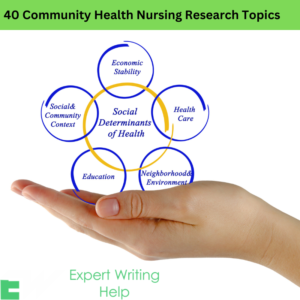
40 Community Health Nursing Research Topics

40 Community Health Nursing Research Topics

best Community Health Nursing Research TopicsCommunity health nursing is one of the most picked nursing specialties mainly for its wide-ranging job opportunities in a variety of healthcare or community settings. A community health nurse can be employed to work in hospitals, nursing homes, clinics, correctional facilities, public health departments, county and state departments of health, schools, or occupational health programs among other facilities in the community. Community health nurses may also travel to serve communities in remote locations solo or as part of a multidisciplinary team.

Generally, community health nurses work toward providing successful outcomes for critical circumstances. In providing their duties, community health nurses serve as agents of healthful changes in different communities. This is because of their interaction with underserved communities, these nurses can advocate for better services as well as inform policymakers on the needed reforms in healthcare.


If you are pursuing to become a community health nurse, you must already know how hectic the program is, especially when it comes to completing assignments. Finding a nursing research topic idea is one of the assignments that give community health nursing students sleepless nights. This is because, with the right community health nursing research topic idea, writing the research paper becomes seamless.expert writing help

What is a Community Health Nursing Research?

A community health nursing research focuses on a community health nursing-relevant topic instead of a general nursing-relevant research topic. As such, this nursing research paper tackles the topic from a community health nursing standpoint.

Additionally, researchers undertake nursing research to produce new knowledge in community nursing or confirm existing knowledge based on community nursing theory by testing hypothesis or answering research questions, which is major distinction with EBP and quality improvement projects.

When writing a community health nursing research paper, you must adhere to the laid nursing research paper writing standards. This means that your community health nursing research paper contains all the vital components, it is appropriately formatted and structured and the citations are formatted according to APA style commonly used in nursing papers.

Types of Community Health Nursing Research

There are two types of community health nursing research: qualitative and quantitative research. The difference between these two types of nursing research arises from the research design one intends to use.

Quantitative research in community health nursing

Quantitative research in community health nursing aims at gaining empirical evidence through deduction and generalization. In this case, you will gather evidence to either support or refute a certain theory and decide to what extent the outcome can be generalized to a larger population. Quantitative research can either be experimental or non-experimental in design.

Experimental designs imply the research exercise (experiments) requires strict control from the researcher. This design can be used to establish cause-and-effect relations or predictions. However, the experiments done are often blind to help avoid bias. Experimental designs are categorized as:

  • True-experimental designs: In these designs, cause-and-effect relationships are examined in a controlled setting. These designs entail studying two groups of the population who got different treatments that we assigned randomly.
  • Quasi-experimental designs: These designs differ from true experimental designs in that they lack random assignment.

Non-experimental designs focus on describing what happens naturally. These designs are used to detect causes and effects but are not effective for making predictions. Non-experimental designs are categorized as:

  • Descriptive: Descriptive non-experimental designs are focused on under-researched topics, subjects, or phenomena. In this case, you describe it, examine how often it occurs, and classify the information you have acquired.
  • Correlational: Correlational research focuses on the examination of relationships between variables. Therefore, you ought to measure the variables, analyze the outcomes, and present statistics.

Qualitative research in community health nursing

Qualitative research in community health nursing focuses on individual experiences and is done through observation and interaction with patients through interviews, diaries, and notes. An induction method is usually used to allow you to acquire evidence to support a theory without generalizing the outcomes. qualitative research design is classified into four types:

  • Grounded Theory: Grounded theory research entails the influence of social processes on individuals. As such, you will need to interview the individuals themselves, their relatives, spouses, etc. before synthesizing the data into one theory.
  • Phenomenology: This is a research design that focuses on describing the phenomena as they are experienced by a subject. In this research, you are required to select people who are familiar with the particular health issue. You will then gain information from each individual the make an informed conclusion.
  • Narrative Inquiry: This is a research study design that is grounded in the interpretation of the personal accounts of the participants. As such, you will ask your subjects to talk about their health experiences and then analyze their narratives. Be sure to take into account the contents and structure of their narratives.
  • Ethnography: This research design is connected to the influence of a specific health culture on individuals. Therefore, it involves describing the unique attributes of the health culture from an insider’s viewpoint.

With these types of community health nursing research in mind, you can confidently choose your nursing research topic without a hassle. Now, let’s look at how to choose a good community health nursing research topic.

How to Choose a Suitable Topic for Community Health Nursing Research?

To craft w well-articulated and relevant community health nursing research paper, you need to first choose a suitable topic. So, how do you choose the right research topic? Well, here are the steps to choosing the most appropriate research topic for your community health nursing research paper.

  • Firstly, identify an ideal community health nursing research area you are passionate about
  • Secondly, from your preferred community health nursing research area, collect enough research ideas
  • Brainstorm all the gathered research topic ideas and eliminate the topics with less or no research scope
  • From the research ideas you have shortlisted, pick one community health nursing research topic that you feel comfortable exploring and writing about.
  • The community health nursing research topic you settle on should satisfy the research paper writing guidelines shared by your lecturer or college.

Alternatively,

you can inquire from our DNP writing service for free assistance on developing emerging and innovating research topic.

40 Community Health Nursing Research Topics

  1. Frailty as a deciding factor for nursing home placement-review of literature
  2. The role of nursing in educating women about Intimate Partner Violence and recourse choices in the US
  3. The critical role of nurses in raising awareness and educating patients in a multicultural environment-literature review
  4. Serving in underserved communities-role definitions of community health nurses in the US
  5. Double demanding patients in community health services-nursing perspective
  6. The role and scope of nurses in community health care in the US
  7. A review of the education practices in community health and implications for practicing nurses in the US
  8. Simulation as an interactive tool in community health nursing to improve societal health outcomes – a review
  9. Health and lifestyle advice – a look at nurse scope of responsibility in community health to promote well being
  10. Mental health nursing in the US – an investigation of the personal challenges in pursuing the profession and how these are managed
  11. Psychiatric care by nursing professionals within community settings – review of literature
  12. How are nurses trained to deal with depression in inpatient settings in the US? An investigation
  13. The mental health nurse – scope of responsibilities and challenges faced in outpatient settings
  14. A review of nursing practices and challenges encountered in adolescent and women’s prisons in the US
  15. The position of the family in community health service provision – an exploratory investigation
  16. Reporting and disclosure policies in community health nursing – a literature reviews
  17. Ethics in community health nursing – a review
  18. An assessment of social outcomes based on community health nursing care—how valid are the measurements?
  19. Communication and community health service and care provision – establishing the link and its outcomes
  20. Evidence-based community health nursing-literature review on deviations and complements of the regulatory frameworks and guidelines
  21. Best practice standards in community health care in the US– Review of literature
  22. An investigative perspective on the historical evolution of community-based health care and nursing provision in the US
  23. An investigation of the global progress in standards of community health nursing
  24. Community health nursing – going through the motions or provisions of care and empathy?
  25. An investigation into the outcomes of the use of assessment and education tools by community health nurses in the US
  26. An investigation of the global progress in standards of community health nursing
  27. The role of community support in maintaining emotional health during pregnancy
  28. An analysis of HIV risk practices amongst women of childbearing age
  29. Knowledge and attitude of black pregnant women towards antenatal exercise: A cross-sectional survey
  30. The effects of dietary counseling on gestational weight gain and glucose metabolism in obese pregnant women
  31. The role of school-based interventions in preventing childhood mental health problems
  32. Occupational preferences, cognitive and affective factors in female students in the US: A comparative study
  33. Patient perception and satisfaction with healthcare professionals at primary care facilities
  34. Maternal comprehension of home-based growth charts and its effect on growth
  35. The assessment of the nutritional status of the community; Case study
  36. Socioeconomic differentials in child nutrition and morbidity in remote areas of the US
  37. The predictors of pregnancy-associated change in physical activity in a rural white population
  38. Pre-pregnancy weight and the risk of adverse pregnancy outcome
  39. A randomized controlled trial to prevent excessive weight gain in pregnant women
  40. Retention of pregnancy-related weight in the early postpartum period: Implications for women’s health services

How to Write a Winning Community Health Nursing Research Paper?

If you are unsure of how to write a brilliant community health nursing research paper, then this section is a must-read. We have outlined basic steps to help you write a top-grade community health nursing research paper without a hassle.

  • Now that you have your ideal community health nursing research topic, perform an in-depth analysis of your topic to derive a powerful thesis statement for your research paper.
  • Secondly, using appropriate nursing research methods, do in-depth research on your chosen topic and collect the most relevant and valuable points, sources, and materials in support of your thesis statement.
  • With the gathered ideas, sources, and materials, craft a well-structured essay outline including the introduction, body, and conclusion.
  • With the draft, write a comprehensive community health nursing research paper with adherence to the outline. Be sure to exhaustively explain all the main points relevant to the thesis statement while supporting it with reliable evidence and references.
  • Once you finish writing your research paper, edit and proofread it. Make sure your nursing research paper is flawless and plagiarism free before submission.

Final Thought

When choosing a community health nursing research topic, you can feel like you have nowhere to start from or even under a lot of pressure. Without a doubt, choosing a community health nursing research topic can prove difficult. However, with good guidance, you can settle on your most interesting and researchable topic.

Hopefully, you will find our list of 40 best community health nursing research topics inspirational and worthy of your consideration when writing your nursing research topic. Besides, if you don’t have the time to research ad write your winning community health nursing research paper by yourself, you can ask us to help with writing nursing paper for you. Our nurse writers are dependable and provide high-quality research paper writing services.

expert writing help


Sampling Theory in Nursing Research

Common Sampling Theory in Nursing Research

Sampling Theory in Nursing ResearchSampling theory in nursing research refers to the principles and approaches used to choose a representative sample of participants from a larger population for a research study. The sampling theory is essential in nursing research since it enables researchers to draw conclusions about a population based on the data collected from a smaller group of people.

Similarly, sampling theory is used in nursing capstones to draw representative samples in a population. In this article, we look at some of the key concepts as well as considerations associated with sampling theory in nursing research and when to use this theory. So, without much ado, let us look at the key concepts for sampling theory in nursing research;

What are the Key Concepts of Sampling Theory in Nursing Research?

Population

In sampling theory or any research done, population refers to the entire group of individuals that the researcher wants to research. For instance, if you intend to focus your study on elderly patients with diabetes, then the population would be all elderly patients with diabetes.

Sample

In nursing research, a sample refers to the subset of the population that is selected for the research. Since it is not feasible or practical to research the entire population, researchers often select a representative sample for purposes of gathering data. The sample should possess similar characteristics to the entire population. A representative sample ensures that the research is free from bias and external validity shortcomings.

Sampling Methods

Sampling methods refer to the various methods used to sample data used in nursing research, and they include probability and non-probability sampling.

Probability Sampling: Probability sampling is a sampling method that involves the random selection of participants from a population while ensuring every individual has the same chance of being included in the sample. Some of the common probability sampling methods include stratified random sampling, simple random sampling, and cluster sampling.

Non-Probability Sampling: The non-probability sampling method does not involve random selection of the sample, which may introduce bias into the sampling. Some of the commonly known non-probability sampling include; convenience sampling – selecting participants based on availability, purposive sampling – selecting participants with specific characteristics), and snowball sampling –  selecting participants through referrals.

Sample size

It is crucial to determine the appropriate sample size to ensure that the research findings are statistically significant and generalizable to the population. For sample size calculations, you should consider factors such as expected effect size, desired level of precision, and statistical power.

Representativeness

The sample should be representative of the population to ensure that the findings can be generalized. Researchers need to carefully consider the characteristics and demographics of the population when selecting participants to create a sample that precisely reflects the large population.

Sampling bias

Sampling bias refers to when the sample is not representative of the larger population, thus leading to distortion or an inaccurate representation of the study findings. Therefore, researchers should be conscious of potential sources of bias and take steps to minimize or account for them.

In a nutshell, sampling theory in nursing research is important since it ensures the research findings are valid, reliable, and applicable to the target population. By using suitable sampling methods, nursing researchers can enhance the quality and generalization of their study findings, thus contributing to evidence-based nursing practice.

When to Use Sampling Theory in Nursing Research

In nursing research, sampling theory is used by researchers whenever they want to draw conclusions about larger populations based on data gathered from a smaller sample. Well, what are some of the situations when sampling theory is used in nursing research:

Generalizability

Often, nursing researchers aim to generalize their findings to a larger population. So, by selecting a representative sample as per suitable sampling methods, researchers can make inferences about the entire population. For instance, if research aims to investigate the effectiveness of a nursing intervention for a specific condition, the outcome can be generalized to the broader population of patients with that condition.

Limited resources

Essentially, researching an entire population may be impractical or unfeasible due to limitations like time, cost, or logistics. However, sampling theory allows researchers to choose a smaller, manageable sample that still offers meaningful insights into the research question. As such, researchers can make efficient use of accessible resources and conduct research within realistic constraints.

Ethical considerations

In some situations, it may not be ethically appropriate or feasible to include the entire population in a research study. For instance, research involving vulnerable populations or invasive procedures may require researchers to select a smaller sample to minimize risks and ensure participant safety. Moreover, the sampling theory helps researchers to choose an appropriate sample size and sampling method that balances scientific rigor with ethical considerations.

Statistical analysis

Sampling theory is closely linked to statistical analysis. With the use of suitable sampling methods, researchers can apply statistical tests, and inferential statistics, and calculate confidence intervals to draw valid conclusions for the sample data. Therefore, researchers can quantify the level of confidence in their findings and make statistical inferences about the population parameters.

Research design

Sampling theory is an essential part of research design. Researchers need to consider the target population, research objectives, available resources, and practical constraints when determining the sampling strategy. As such, the choice of sampling method and sample size directly influences the study’s validity, reliability, and generalization.

In a nutshell, sampling theory is used in nursing research, especially when researchers want to select a representative sample from a large population to draw valid conclusions and make generalizations. The sampling theory is useful, especially when research resources are limited, ethical concerns come into play, or statistical analysis and research design need a smaller sample for practical reasons.

In case you face any difficulty applying sampling theory in nursing research you can seek help from our DNP capstone project writers for assistance any time of the day.

Methods of Sampling in Sampling Theory in Nursing Research

Sampling is a crucial aspect of nursing research that enables researchers to gather representative data from a larger population. By picking a subset of individuals or units from a target population, researchers can draw inferences and make generalizations about the large group.

Understanding the different methods of sampling is essential for ensuring the reliability and validity of research findings in nursing. So, what are some of the different sampling methods commonly used in nursing research, their advantages and limitations?

Probability sampling methods

Probability sampling methods are based on the principles of random selection, ensuring that every member of the target population has an equal chance of being included in the sample. The probability sampling methods provide a solid foundation for generalizing research findings. These methods include:

  • Simple random sampling

In simple random sampling, each member of the population is assigned a unique number, and a random selection process is utilized in choosing the participants. The simple random sampling method is direct but may be challenging to implement in larger populations.

  • Stratified random sampling

Stratified random sampling involves the division of populations into sub-groups or strata based on specific characteristics like gender or age. Participants are randomly chosen from each stratum, thus ensuring representation from each group. Stratified random sampling allows for more accurate comparisons between groups. However, it requires prior knowledge of the population’s characteristics.

  • Cluster sampling

Cluster sampling entails dividing the population into clusters or groups such as hospitals or nursing units. Researchers randomly select a few clusters and include all individuals within those clusters in the sample. Cluster sampling is useful when the population is geographically dispersed or difficult to access individually.

Non-Probability sampling methods

Non-probability sampling methods do not rely on random selection thus making it difficult to generalize the findings to the entire population. Regardless, these methods are often more practical and cost-effective in nursing research. The following are some of the non-probability sampling methods:

  • Convenience sampling

Convenience sampling entails selecting individuals who are readily available and accessible to the research. Although this method of sampling is convenient, it may introduce bias as it relies on the researcher’s judgment and accessibility.

  • Purposive sampling

Purposive sampling involves selecting participants who possess specific characteristics or experiences relevant to the research question. Researchers purposefully choose individuals who can provide rich and in-depth information. While this method allows for target data collection, it may limit generalizability.

  • Snowball sampling

Snowball sampling depends on participants referring to other potential participants who share similar characteristics or experiences. The snowball sampling method is useful when researching rare or hard-to-reach populations. Regardless, it may also introduce bias as participants may refer to individuals who share their perspectives.

Conclusion

Sampling theory in nursing research as it enables researchers to collect data that represents the larger population.  Understanding the various sampling methods, both probability and non-probability is vital for researchers to choose the most appropriate approach for their research.

Probability sampling methods such as simple random sampling, cluster sampling, and stratified random methods, offer a strong foundation for generalization. On the other hand, non-probability sampling methods, like convenience sampling, purposive sampling, and snowball sampling, provide practical alternatives when probability sampling is challenging or not feasible.

As such, researchers must carefully reflect the strengths and limitations of each sampling method, ensuring that their chosen method aligns with the research question, population characteristics, and available resources. By using suitable sampling methods, nursing researchers can enhance the validity and reliability of their findings, ultimately contributing to evidence-based nursing practice.

Nursing Leadership Practicum Project Ideas

7 Greatest Nursing Leadership Practicum Project Ideas

Welcome, dear reader, to a blog post that will tickle your funny bone and ignite your imagination. If you’ve landed on this page, you’re likely a nursing student or a passionate healthcare professional seeking inspiration for your MSN or DNP nursing leadership practicum project. Now fasten your seat belts, sweetie, because you’re in for a ride that will have you in (laugh-induced) stitches!

Before we dive into the entertaining world of nursing leadership practicum project ideas, let’s take a moment to appreciate the hard work and dedication that nurses bring to their profession.

Nurses are the backbone of the healthcare system, and their leadership skills are crucial in ensuring the best possible care for patients. So, hats off to you, future nursing leader!

Leadership practicum projects are designed to improve healthcare delivery in a community. During your practicum you will learn and be guided by a preceptor, who is an accomplished healthcare leader, over three semesters.

In addition, it is advisable to seek help with writing DNP leadership practicum projects to assist you in writing and editing the final manuscript.

Below are some nursing leadership practicum project ideas to kickstart your writing journey. Hope you enjoy!!

1. Nurse Sherlock: The Great Hospital Mystery

Who doesn’t love a good whodunit? Your mission, should you choose to accept it, is to identify gaps and inefficiencies in your hospital’s day-to-day operations. Put on your detective hat and become Nurse Sherlock, solving the great hospital mystery!

Create a detailed report of your findings and propose innovative solutions to enhance patient care and streamline hospital processes. Your engaging presentation will leave your colleagues and supervisors in awe of your deductive abilities!

“The art of nursing, as now practiced, seems to be expressly constituted to unmake what God had made disease to be.” – Florence Nightingale


2. The Nursing Escape Room: A Team-Building Extravaganza

In this thrilling, interactive project, you’ll design an escape room experience that tests your nursing team’s clinical knowledge, critical thinking, communication, and collaboration skills.

Create challenging puzzles and scenarios related to nursing practice, and watch your colleagues put their heads together to escape within the allotted time. This project not only fosters team camaraderie but also reinforces essential nursing concepts in a fun and engaging way!


3. The Great Handwashing Challenge: A Hygienic Showdown

They say cleanliness is next to godliness, and in nursing, it’s also next to patient safety! In this project, organize a handwashing competition among staff members to promote proper hand hygiene in the workplace.

Use humor and creativity to design entertaining challenges that test participants’ handwashing skills, such as a “handwashing relay race” or a “germ-free obstacle course.” Don’t forget to offer prizes for the most exemplary handwashing performance!

“Washing one’s hands of the conflict between the powerful and the powerless means to side with the powerful, not to be neutral.” – Paulo Freire


4. Nurse Idol: Showcasing Talent Beyond Scrubs

Nurses are more than just skilled healthcare professionals – they’re also talented individuals with diverse interests outside the hospital walls. Organize a talent show that allows your nursing colleagues to showcase their hidden talents, from singing and dancing to poetry and painting.

This project not only builds camaraderie among staff but also helps to humanize the nursing profession by celebrating the unique qualities that each nurse brings to the table.


5. The Mentor Matchmaker: Pairing New Nurses with Seasoned Pros

Nursing can be overwhelming, especially for those just starting in the profession. In this project, create a mentorship program that pairs experienced nurses with newbies, providing invaluable guidance and support as they navigate the challenges of their new roles.

Design a fun and interactive “speed mentoring” event where potential mentor-mentee pairs can meet, chat, and find their perfect match. After all, a little guidance goes a long way in shaping the nursing leaders of tomorrow!

“A good teacher can inspire hope, ignite the imagination, and instill a love of learning.” – Brad Henry


6. Nursepreneurs: Pitching Innovative Healthcare Solutions

Have you ever dreamed of becoming the next healthcare industry mogul? In this project, gather a group of nursing colleagues and host a “Shark Tank”-style competition where participants pitch their innovative healthcare solutions to a panel of expert judges.

This fun and engaging event encourages nurses to think outside the box and develop creative solutions to address real-world healthcare challenges. Who knows – you might just discover the next big thing in nursing!


7. Designing a Public Health Initiative

Nurses have a crucial role in promoting community health. Creating a community health nursing program targeted at a certain population is a great focus for your nursing leadership practicum assignment.

To do so, one option is to develop a program with the goals of reducing the prevalence of chronic diseases, encouraging healthy behaviors, and educating the public about the importance of maintaining good health.

As a leader, your initiative to better the community’s health will speak volumes about your leadership skills.

Here are some of the community nursing research topics to guide you develop a practicum program.


Innovative Nursing Practicum Project Ideas: Possible Sources

You know what they say, necessity is the mother of invention! And when it comes to coming up with ideas for nursing leadership practicum project, you might be scratching your head wondering where to start. But don’t worry,  I’ve got you covered! Let’s dive into some of the best places to look for nursing practicum project ideas.

  1. First up, have you considered talking to your clinical mentor or preceptor? These experienced nurses are a wealth of knowledge and may be able to suggest a project idea based on your interests or the needs of your clinical setting.
  2. Next, why not browse through some nursing journals? There are tons of great publications out there, covering everything from clinical practice to research. You might find a topic that catches your eye and inspires you to explore it further.
  3. If you’re more of a visual person, how about checking out some nursing conferences or webinars? These events often showcase the latest and greatest in nursing research and practice. Plus, attending a conference or webinar is a great way to network with other nurses and make valuable connections.
  4. Another source of inspiration is your own clinical experiences. Think about any challenges you’ve faced or interesting cases you’ve encountered. Is there a particular issue or area of care that you’re passionate about?
  5. These personal experiences can often lead to great project ideas. You can also take a look at what’s currently trending in nursing. Are there any hot topics or emerging trends that you find interesting? Maybe there’s a new technology or treatment that you think would be worth exploring further.
  6. Outside of the nursing world, there are plenty of other sources of inspiration as well. For example, you might find some great ideas by looking at what’s happening in related fields, such as medicine, public health, or social work. Or, you might draw inspiration from a completely different area altogether, such as art, music, or literature.
  7. How about engaging a professional nurse writer. You will be surprised just for a few dollars you can hire a nursing paper writer to assist you develop innovative practicum ideas or even improve your existing idea into a nursing leadership practicum project.
  8. Last but not least on this list, don’t forget about your fellow nursing students! Brainstorming with your classmates can be a great way to generate new ideas and get a fresh perspective on your project.

So there you have it, eight sources of inspiration to help you get started on your Nursing Practicum Project. Remember, the key is to find a topic that you’re passionate about and that will allow you to make a real impact on patient care.

Always ensure that your practicum idea is impactful and innovative. It may lead to future employment in your practicum site or you may have an opportunity to present it internationally.

Happy brainstorming!


From Idea to Impact: Navigating the Wild World of Nursing Practicum Projects!

Now that we’ve talked about some sources of inspiration for your Nursing Practicum Project, let’s dive into some of the challenges you might encounter along the way.

The time crunch: Between your clinical rotations, coursework, and personal life, finding the time to work on your project can be a real challenge. But don’t throw in the towel just yet! Here are a few tips to help you manage your time:

  • Prioritize your tasks and make a schedule. Try breaking your project into smaller, more manageable chunks and tackle them one at a time.
  • Use your free time wisely. Instead of scrolling through social media or binge-watching your favorite show, take 30 minutes to work on your project.
  • Take breaks! It’s important to rest and recharge so you don’t burn out.

Another common challenge is coming up with a project idea that’s both feasible and impactful. You want to choose a topic that’s within the scope of your clinical setting and resources, but that also addresses a real need or issue in patient care. To overcome this challenge, try brainstorming a list of potential topics and then doing some research to determine which ones are most feasible and impactful.

The next up is that you might encounter  a challenge of getting buy-in from your clinical preceptor or mentor. It’s important to get their support and approval for your project, but they may have different priorities or ideas about what’s important to focus on. Be prepared to communicate the value of your project and explain how it will benefit patients and improve outcomes.

Finally, one of the biggest challenges of any project is staying motivated and focused. It can be easy to get bogged down in the details or to feel like you’re not making progress fast enough. One way to stay motivated is to set clear goals and deadlines for yourself, and to hold yourself accountable for meeting them.

Wrap Up!

In conclusion, nursing leadership is no laughing matter, but that doesn’t mean we can’t have a little fun while developing our skills! These nursing leadership practicum project ideas are sure to entertain, engage, and ultimately, empower you to take charge of your nursing career. Remember, as the legendary Florence Nightingale once said:

“I attribute my success to this – I never gave or took any excuse.” – Florence Nightingale

So, go forth and conquer, future nurse leader! And don’t forget to keep a sense of humor along the way.

Latest 40 Nursing EBP Project Ideas

Latest 40 Nursing EBP Project Ideas in 2025

Evidence-based practice in nursing has become vital to improving the quality of care provided to patients. Incorporating evidence-based practice into nursing significantly improves patient outcomes and patient, family, and healthcare provider satisfaction. On the other hand, it can reduce costs and the risk of maltreatment by cutting down on avoidable tests and procedures.


What is Evidence-based Practice in Nursing?

Evidence-based Practice (EBP) is an approach to healthcare that utilizes up-to-date research available to improve patient health and safety to reduce overall cost and variability in health outcomes. EBP can also be described as a problem-solving approach to the delivery of health care with the integration of the best evidence from well-designed studies and patient care data while combining it with patient preferences, values, and nurse expertise.


expert writing help


Process of Implementing Evidence-Based Practice in Nursing

Evidence-based practice has seven steps, which are numbered from zero to six. So, here is a brief overview of each step in the EBP process.

Step Zero: Cultivate a Spirit of Inquiry

To cultivate the spirit of inquiry, you must ask curious questions. For instance: in patients with head trauma, how does supine positioning compared with elevating the head of the bed 30 degrees affect intracranial pressure? By asking this kind of question, you lay the foundation for EBP. Without this spirit of inquiry, the successful steps in the EBP process won’t follow.

Step 1: Ask Clinical Questions in PICOT Format

Inquiries in the PICOT format take into account the patient population of interest (P), intervention (I), comparison intervention or group (C), outcome (O), and time (T). The PICOT format offers an efficient framework for searching electronic databases designed to retrieve articles only relevant to the clinical question. Taking the rapid response teams as an example, you can frame a question about whether the use of such teams will result in positive outcomes as follows: “In acute care hospitals (P), how does having a rapid response team (I) compared with not having a response team (C) affect the number of cardiac arrests (O) during four months (T).

Step 2: Search for the Best Evidence

The PICOT format offers the best way to search for evidence to inform clinical practice. For instance, if a nurse, in the rapid response case we used above, types “what is the impact of having a rapid response team?” into the search field of a database, she or he will have several abstracts, most of them irrelevant.

If the PICOT format is used, it will help identify the keywords or phrases that, if typed and combined well in the search engine, will find all the relevant articles for the question. In the PICOT question on rapid response teams, the key phrase to fill into the database search field would be acute care hospitals. This is a common subject that will yield thousands of citations and abstracts.

The second phrase to search would be rapid response team, then cardiac arrests, and the other remaining terms in the PICOT question. Lastly, combine the results of the searches for each of the terms to narrow the results to articles pertinent to the clinical question. Also, it helps to set limits on the final search.

Step 3: Critically Appraise the Evidence

Now that you have a selection of articles for review, you must appraise them to determine which ones are the most relevant, valid, reliable, and applicable to your clinical question. In this process, use the following three critical questions:

  • Are the results of the study valid? The question of validity is founded on whether the research methods are thorough enough to render findings as close to the truth as possible. Did the scholars randomly assign subjects to treatment or control groups and ensured shared key characteristics before treatment? Were valid and reliable tools used to measure key outcomes?
  • What are the results and are they important? For purposes of intervention, the question of study reliability addresses if the intervention worked, its impact on results, and the possibility of getting similar outcomes in the nurses’ practice settings. In qualitative studies, however, the question of reliability includes determining whether the research approach fits the purpose of the study, as well as other aspects of the research such as whether the results can be confirmed.
  • Will the results help me care for my patients? The question of study applicability covers clinical considerations such as whether subjects in the research are the same as one’s own patients, whether the benefits outweigh the risks, feasibility and cost-effectiveness, and patient values and preferences.

Step 4: Integrate the Evidence with Clinical Expertise and Patient Preferences and Values

Certainly, research evidence by itself is not enough to justify a change in practice. Clinical expertise, based on patient assessments, laboratory data, data from results management programs, and patient’s preferences and values are critical elements of evidence-based practice. Since there is no clear-cut formula for how to weigh each of these elements, the implementation of EBP is highly influenced by institutional and clinical variables.

For instance, there is evidence indicating reduced incidences of depression in burn patients if they get eight sessions of cognitive-behavioral therapy before hospital discharge. You what your patients to receive the therapy up to the eighth session and so do they. However, the budget constraints your hospital experiences hinder it from hiring therapists to provide this treatment. So the resource shortage deters enactment of the evidence-based practice.

Step 5: Evaluate the Outcomes of the Practice Decision or Changes Based on the Evidence

Once an EBP is implemented, it is vital to monitor and evaluate any changes in outcomes to ensure positive effects are supported and negative ones remedied. Remember that because an intervention was successful in a thoroughly controlled trial does not imply it will equally be effective in the clinical setting.

Monitoring the effect of an EBP change on the health care quality and outcomes will help nurses spot flaws in application and identify the most precise way most patients can benefit. If the outcomes diverge from those reported in the research literature, monitoring will help find out why.

Step 6: Disseminate EBP Outcomes

nursing ebp project ideasNurses can attain excellent outcomes for their patients through evidence-based practice, however, they often don’t share their experiences with fellow nurses in their own or other healthcare facilities. This leads to pointless replication of efforts and propagates clinical approaches that aren’t evidence-based.


One of the best ways to disseminate successful initiatives of EBP is by doing EBP rounds in your institution, presenting at local, regional, and national conferences, and reporting in peer-reviewed journals, publications, and professional newsletters.

Undoubtedly, the application of EBP in nursing has significantly increased in different hospitals and healthcare centers worldwide. Evidence-based practice project ideas offer a great way to gain valuable knowledge and practice while providing patient care. Furthermore, EBP offers an opportunity to help nurses by contributing to global healthcare.

Some of the most pressing evidence-based practice project ideas concern medical surgery, geriatrics, midwifery, and management and leadership in nursing. Need some inspiring topics for your upcoming nursing EBP project? Look no further! Here are 40 nursing EBP project ideas you can consider in your nursing evidence based practice paper.


Latest 40 Nursing EBP Project Ideas You Can Use in your DNP Journey

As a DNP student, you will be required to develop EBP project to demonstrate your skills to translate evidence into practice and communicate outcomes. Our non exhaustive list of innovative EBP project topic idea should be your first landing before you can start writing your project. Our top DNP project writers have prepared a latest 40 nursing EBP project ideas you can use in your DNP proposal

  1. Senior nurses and attitude towards the application of evidence-based practice care solutions – a primary investigation
  2. Evidence-based nursing practices for the disabled in inpatient settings in the US – literature review
  3. Selection of treatment procedure through evidence-based practice – an analysis of nursing care
  4. Evidence-based support for Continuing Professional Development requirements in nursing education – analysis of literature
  5. Mental health nursing – perspectives from evidence-based practice in the US
  6. Is care quality improved through evidence-based nursing? An investigation
  7. A systematic investigation of the relationship link between nursing education and professional excellence in the US
  8. Nursing staff screening and recruitment – an evidence-based approach
  9. Why is evidence-based nursing and care highly recommended? An explorative analysis
  10. A critical appraisal of the challenges in the implementation of evidence-based practice in nursing in the US
  11. An analysis of the practical implications of the theoretical foundations for evidence-based nursing practice in the US
  12. Safety precautions for patients with dementia in inpatient settings in the US based on evidence-based practice – review of literature
  13. Catering to patient preferences through the evidence-based nursing approach – an analysis from the US
  14. How do practitioners evaluate evidence-based nursing practices? An investigation
  15. Tracing the historical context of evidence-based practice in nursing in the context of current achievements
  16. What do nursing students think about evidence-based practice in nursing? A qualitative study
  17. Palliative care in inpatient settings – a review of evidence-based practice perspectives in the US
  18. Addressing the implementation gap between knowledge and practice in evidence-based nursing in the US
  19. What is the impact of nursing leadership styles on the synthesis of evidence-based practice in Cardiac ICUs in the US? A primary exploration
  20. The use of social media applications for the provision of evidence-based nursing care in the US – an investigation
  21. What is the role of evidence-based practice in promoting collaborative decision-making in ICUs in the US?
  22. A systematic review of the specialized evidence-based nursing practice models in the US and the UK
  23. Evidence-based nursing evaluation and practice as an integral part of nursing education – a review
  24. How do nurses translate evidence base into actual practice? A qualitative exploration of the quantity and quality of theoretical evidence translated into practice in the US
  25. How relevant are PICOT guidelines in evidence-based nursing evaluations and practice care solutions? Review of literature
  26. How do nurses define safety in practice – an evidence-based care approach
  27. The evidence base for sexual abuse in developed and developing countries – a literature review
  28. Evidence-based nursing in real-world contexts – an analysis
  29. Is the evidence-based practice of a health concern universal or does it differ according to co-related determinants? An Investigation through peer-reviewed literature
  30. What do nursing students think about evidence-based practice in nursing? A qualitative study
  31. The collective knowledge of a nursing department based on evidence-based practice – how often does this happen?
  32. Antibacterial foam dispenses effectiveness compared to simple washing of hands with water and soap in nursing units
  33. Does the historical evidence point to the efficacy of analyzing evidence-based practice for nursing studies? A review
  34. What is the best way to write a systematic review to maximize the efficacy of evidence-based practice? Insights from literature
  35. Is evidence-based nursing effective in sharpening nurses’ critical thinking skills? Qualitative guidelines
  36. Effects on oral contraceptives, especially on weight gain
  37. NCLEX: When should you perfectly take it
  38. How do nurses use evidence-based practice for self-care?
  39. Professional wisdom or educated guidelines? An analysis of the impact of evidence-based practice on nurse care delivery in the US
  40. Nursing theories learned in nursing school: Are they applied in practice

Conclusion

Without a doubt, there are several great nursing EBP project ideas to choose from. So, figure out what works best for you and create a winning EBP project for your DNP. You can present the outcomes to your fellow nurses or publish your results in a nursing journal article for the rest of the nurses worldwide to read and practice.

Besides, if you are looking to get help with Nursing EBP project writing, don’t hesitate to place an order with us

expert writing help

Benefits of Earning DNP Degree

Why is a DNP Degree Worth it? 7  Awesome Benefits of DNP

benefits of dnpEarning a master’s degree in nursing is not the end of your academic career. Yet, there are occasions when going forward seems like an impossible task. Maybe you’ve hit a wall and aren’t sure what to do next. In fact, this occurs frequently.

Despite this setback, many nurses now opt to continue their education and earn their Doctorate before retiring. Maybe you’ve thought about it before, but if you’re still not convinced, that’s fine. A DNP degree — why bother?

An increasing number of nurses are seeing the value of earning a DNP degree. In this article, we’ll explain why that could be a wise decision.

We’ll also spend some time discussing what is a DNP and the eligibility criteria for earning one. But let’s back up and begin from square one.

What Exactly is a DNP?

The acronym DNP certainly packs a punch, but what does it stand for? These three letters denote a very lofty academic accomplishment: a Doctor of Nursing Practice. The Doctor of Nursing Practice (DNP) is the last and final degree that can be earned in the area of nursing. That’s right?, you upper classmen out there: this degree is for you.

And yet, a Doctor of Nursing Practice (DNP) degree is a big move forward in the right direction for your professional life. You will be recognized as a leader in your field and will have a significant impact on patient care and policy.

Who is Eligible to Get a DNP?

As we mentioned above, a Doctorate is the highest level of education attainable in a certain field, and it is often earned after a Master’s. This is often a three-stage procedure. The route to a doctorate is slightly different for nurses.

If you’re a nurse with a bachelor’s degree but no master’s, you can still earn a Doctor of Nursing Practice (DNP). Some schools provide a direct path to the Doctor of Nursing Practice degree.

Thus, many nurses wonder, “What kind of nursing degree should I get?” Which is better, a Master of Science in Nursing or a Doctorate of Nursing Practice? Should I pursue a Doctor of Nursing Practice degree if I already have a Master of Science in Nursing (MSN) degree?

So, let’s dig deeper into the distinction between these two nursing degrees and see if we can come up with a satisfactory explanation.

DNP vs the MSN

You could be thinking, “that sounds fantastic, but it appears that I already can secure some of these jobs with only my MSN,” and you would be partially correct. Aside from the fact that you’re both nurse practitioners (NPs), there aren’t too many differences.

No matter what speciality you ultimately decide on, having either the MSN or DNP will enable you to practice as a practitioner at a high level. In contrast, the DNP will provide you with expertise that is uncommon among nurses who only hold an MSN.

Several of these skills include:

  • Educational and administrative leadership training.
  • Education concerning healthcare regulations and legislation.
  • Competence in working with others in different fields.
  • Healthcare system training.
  • Evidence-based practice education.
  • Translation of evidence into practice

Some groups are advocating for a DNP degree as a minimum requirement for all APRNs because of the importance of these abilities. Although a Master of Science in Nursing (MSN) is now required to practice as an advanced practice registered nurse, there is a desire and drive to make a doctorate degree (DNP) mandatory.

Fear not; this will not render your current position obsolete. Your master’s degree will not prevent you from working as a nurse practitioner.

Ten years ago, the American Association of Colleges of Nursing (AACN) planned to eliminate MSN programs by 2015. Their policies are meant to encourage nurses to pursue a doctoral degree in nursing (DNP) rather than settling for an MSN. As you can see, though, that plan failed. You shouldn’t worry.

7 Benefits of DNP – Why Earning a DNP is Worth it

Earning a doctorate is a significant milestone, but getting there can feel like an insurmountable challenge at first. Is it therefore worthwhile to work toward a Doctor of Nursing Practice degree? Let’s look at some of the reasons you might want to pursue a Doctor of Nursing Practice.

1.   Methodological Modernization

Keeping up with the latest advancements in the healthcare industry is essential for clinicians and nurses, who must today be experts in a wide range of topics, from emerging medications and technologies to diagnostic procedures and therapeutic modalities.

A Doctor of Nursing Practice (DNP) indoctrinates nurses on the latest medical developments, scientific discoveries, research methods in nursing, and popular trends in healthcare and clinical science.

2.   Possibilities For Specialization

Earning a Doctor of Nursing Practice (DNP) degree can open doors to a variety of career paths that are unavailable to nurses with only an Associate Degree in Nursing (ADN) or (BSN).

If you want to work in a specific area of healthcare, you may need additional training that is only available through a DNP degree. It equips you with the skills necessary to qualify for a job in clinical leadership, academia, or administration.

You can specialize in areas like child care, anaesthesia, management, or leadership within the nursing profession. Aside from that, you can look forward to investigating things like patient outcomes, the efficacy of various treatments, and the promotion of sustainable change to encourage healthier routines and better outcomes for patients.

3.   Ability to Influence Healthcare Policy

Acquiring a Doctor of Nursing Practice (DNP) degree equips you with the information and skills necessary to advocate for healthcare policies that prioritize patient safety, quality treatment that is individualized for each patient, efficiency in healthcare delivery, and fairness in healthcare access. Educators can produce and disseminate materials that are both effective and based on solid facts.

A DNP prepares you to lead the nursing profession and the public in improving healthcare delivery and patient outcomes.

4.   Potential for High Salary

Salaries for a doctor of nursing practice (DNP) vary from year to year but typically increase rapidly after the first year of practice. You may find that your salary shifts as you move between jobs. There was an average annual salary of $107,000 for DNPs as of May 2022, per studies.

But the salary ranges for various sub-fields of expertise vary. To give just one example, the highest DNP income typically goes to licensed registered nurse anaesthetists, while family nurse practitioners typically earn significantly less.

5.   Better Career Opportunities

Some healthcare leadership and management positions may be inaccessible to persons with only an MSN but may be available to those with a Doctor of Nursing Practice degree. As a nurse, you have the option of working in a variety of roles, including that of educator, administrator, clinician, and scholar.

Furthermore, those with a Doctor of Nursing Practice degree might hold executive positions in healthcare organizations’ nursing divisions.

Working in one of these fields could provide you with a chance to affect healthcare delivery in both concrete and abstract ways.

Everyday chores to ensure patients are effectively cared for can be efficiently organized, supervised, and coordinated by you. You may also serve as a liaison between the hospital’s patients, staff, and higher-ups such as the executive team and the board of directors.

6.   Increases Trustworthiness

If you want a career in health care that involves shaping public policy and administration, a Doctor of Nursing Practice (DNP) can help you establish yourself as an industry leader. As a result, people will assume that you are competent and diligent since you have the requisite information and skills.

With a doctoral degree in nursing under your belt, you’ll be in a prime position to shape the future of healthcare policy. If you’re looking to move into an administration role in the medical field, a terminal degree may make it easier to gain admission to medical institution boards. It may take some effort, but you will get the most of the credit due to your impressive qualifications.

7.   Employment Stability

DNPs are in high demand, and the business is growing to meet that need. Jobs have increased by 40% since the last census, which is far faster than the average for all occupations.

By allowing you to continue your education in nursing after completing your bachelor’s degree, a DNP can help you maintain your competitive edge in the job market.

Without having to worry about your job going nowhere, you may actively seek out ways to expand your professional knowledge and direct care skills. Furthermore, doing so raises your value to the company.

So, In the end, Is  DNP Degree Worth it?

To be a nurse is to be at the forefront of a patient’s and their loved ones’ fight for better health. Furthermore, as an APRN, you are at the forefront of providing that patient with care across the board.

When you’re an APN with a doctorate, you’re at the forefront of care for patients and their families, the health care system, and communities on every level from the neighbourhood to the nation to the world.

Is it therefore worthwhile to earn a Doctor of Nursing Practice degree?

Absolutely!

Though it takes lots of sacrifice to complete DNP degree, it is worth the sacrifice and effort. With the right DNP project help and support you can earn the coveted title of DNP  and enjoy the seven great benefits that comes with the accomplishment.

Differentiating BSN, MSN & DNP

Differentiating BSN, MSN and DNP: Find Out The Best Choice for You

differentiating BSN, MSN & DNPCommitting to ongoing learning and education improvement is a requirement for success in the healthcare sector. There are many opportunities for advancement in nursing; the trick is to determine which ones are best for you. Because of this, nurses at all levels are looking for ways to advance in their careers and are trying to figure out what degree will help them land the jobs they want. This typically entails earning a Master of Science in Nursing (MSN) or a Doctor of Nursing Practice (DNP). Some also might think earning a Bachelor of Science in Nursing (BSN) is the best choice.


Numerous factors and circumstances must be considered because the final choice is personal and depends on your situation. Read on to learn which degree path might be the best choice for you based on your background and situation.

A Bachelor of Science in Nursing: What Is It?

The first step to becoming a registered nurse with a license is to earn a BSN or bachelor of science in nursing.  The BSN program prepares you for employment at the entry level in clinics, hospitals, and other healthcare facilities. This means that although you don’t really need any prior experience, some exposure to the field will be beneficial. Furthermore, even though you could still work as an RN without a BSN, going the extra educational mile can lead to more responsibility and a higher salary.

BSN Core Curriculum

Nurses must be prepared to navigate this new healthcare environment as nursing is evolving quickly. Most universities around the world have updated their curricula, which will give students the best preparation for giving patients high-quality, safe care. To fulfill the university’s core curriculum requirements, the prerequisites for the bachelor of science in nursing (BSN) major, and the prerequisites for the BSN foundation, students enroll in a variety of courses.

A BSN curriculum plan will typically entail the following:

  • Coursework for the first year (sophomore level) includes knowledge of the nursing discipline, fundamental health assessments, clinical nursing skills, and clinical experiences.
  • A combination of lectures, laboratory simulations, and clinical experiences for the second year (junior level). Nursing care for adults and older adults, pregnant women, children, and their families are the courses that call for clinical experiences. The average weekly clinical time for these students is 12 hours.
  • Coursework in the third and fourth years (senior year) consists primarily of precepted clinical experiences, classroom instruction, completing nursing assignments and simulations. According to their courses, students spend an average of 16 to 24 hours weekly in clinical settings.

Application Requirements for BSN Candidates

You must visit the website for the BSN program at the university of your choice to find accurate and current information on the requirements for applications. Either way, the requirement will be somewhat similar to this;

  1. Academic Transcripts– For review purposes, official copies of all your post-secondary transcripts, including those for any courses you might have taken at a community college or while studying abroad, must be submitted.
  2. Letter of Recommendation- You should provide one or two academically-based letters of recommendation. You can submit them online.
  3. A document proving English language proficiency may also be required. A score of 6.0 is required. However, depending on the university, the cut-off score can be as high as 7.5.
  4. Statement of purpose or personal statement


Clinical Work Entailed in Most BSN Programs

A crucial component of the BSN curriculum is practical, hands-on experience in actual clinical settings. Learning institutions collaborate with local hospitals and other healthcare organizations near their campuses to give students the necessary hours, certifications for exams, and extensive experience and exposure to various facets of the nursing profession. Depending on the institution, BSN students may take a variety of clinical courses throughout their program, such as:

  • Mental Health
  • Women’s Health
  • Pediatrics
  • Community Health
  • Acute care (collaborating with a preceptor in person)

Typically, 60 clinical hours are needed for each of these courses. Each student collaborates one-on-one in a specific area with a nurse preceptor.

For instance, in the community health course, students complete a community assessment in pairs, identify a community health need and plan and carry out an overall teaching project at a chosen agency or organization.


BSN Degree Requirements: Credit Hours

Depending on the program option they are pursuing, students must complete a minimum number of credit hours for the degree and a minimum number of credit hours that should reflect major nursing courses to be eligible for graduation from the Bachelor of Science in Nursing program.

You must complete 120 credits in most BSN programs, earning a C or better in every discursive course and an S (Satisfactory) in every clinical/practicum course necessary for the degree. 75 of the 120 credits must be from major-related nursing courses.

BSN Research Scope

The inclusion of research in a BSN program reflects the nursing industry’s dedication to the promotion of health and sedentary lifestyles, the advancement of quality healthcare, and the importance of placing professional nursing practice in research.

BSN research entails:

  • Nursing education research- The discipline and practice of professional nursing are the main research topics in nursing education.
  • Clinical research- The scientific underpinning for providing care to people of all ages in clinical research. It is based on biological, behavioral, and other types of investigations.
  • Research on health systems and outcomes- Here, healthcare services’ accessibility, value, and cost are examined.

What Does a Master of Science in Nursing Degree Necessarily Involve?

A master of science in nursing, or MSN, is a post-graduate advanced degree for registered nurses. Students with a BSN degree can enroll in these programs, which typically last two years. Students with bachelor’s degrees in health-related fields may be admitted to some MSN programs.


Before earning a master’s degree, students in an MSN degree program must complete their basic nursing education requirements to become legally qualified registered nurses. There are many nurse practitioner programs from which to choose if you decide that obtaining a graduate degree in nursing is the best option for you. Here are some more details about what an MSN degree entails:


Application Requirements

If you want to enroll in an MSN program, you must fulfill the following criteria:

  • Possessing a valid nursing license from your state.
  • A Bachelor’s degree in Nursing from an accredited institution
  • An application that is fully completed and the necessary fees for your school
  • Nursing experience of at least a year (this will depend on the school and specialty you are choosing)
  • Most schools will also require you to submit recommendation letters and a statement of purpose, and you might need to enroll in some prerequisite courses.


MSN Curriculum

There are two tracks in the MSN program for registered nurses:

  • BSN Track – Students who have earned a BSN should enroll in this track. BSN graduates begin the program at the level of the core courses.
  • RN Track – Students with an associate’s degree in nursing or a nursing diploma who want to become registered nurses should enroll in this track. Before beginning the core courses, students must complete several semester credits of foundational coursework. These courses provide the necessary information and learning opportunities.


The core curriculum, specialization curriculum, and capstone courses are all the same for every student. The foundational courses give students graduate-level training, in theory, research, diversity, law and ethics, and healthcare systems. The specialty courses, which build on the foundational courses, give students direction and instruction for influencing nursing practice in particular areas.


The capstone courses allow students to apply what they learned in earlier classes to real-world situations and assess how well they’ve accomplished their professional and organizational objectives.

Clinical Work

Nurse practitioners and nurse midwives are the two specialties with the most APRN MSN degrees. Most MSN-trained nurses are employed full-time in various settings, including hospitals, clinics, private practices, and academic and research-based institutions. A nurse with an MSN degree will be prepared to:

  1. Act as a sole practitioner in the area of specialization.
  2. Dispense drugs in accordance with their area of expertise.
  3. Own and run a private medical practice in accordance with local laws.

Credit Hours Required for an MSN

MSN programs frequently concentrate on particular subject areas. A minimum of 40 to 43 credits must be completed in the nursing education concentration for an MSN program. In addition, nursing students require a significant number of practicum hours.


To graduate, a public university’s MSN family nurse practitioner program requires 45 credit hours. Thirty-five credit hours of lecture-based coursework and 10 credit hours of clinical practice were completed over six or seven semesters.


A private university’s MSN family nurse practitioner program requires nursing students to complete 700 hours of clinical work in addition to 48 credit hours. To graduate from the school’s RN-to-MSN program, students without a BSN degree must complete 54 credit hours.

MSN Research Scope

Global demand for qualified nurses with strong interpersonal and leadership skills who can provide care and guarantee research is carried out in accordance with established standards has grown along with the number of clinical trials. Teams of these nurses are employed by academic medical centers, pharmaceutical firms, and universities. Graduates of the MSN in Clinical Research Coordination will be prepared to:

  • Carry out research interventions
  • Organize and evaluate medical data
  • Sync up the research
  • Analyze the effects of the treatments on the participants
  • Organize reports, operating records, and financial plans.

Doctorate in Nursing Practice(DNP)

Nurses who want to work at higher levels receive specialized, advanced training through the Doctor of Nursing Practice or DNP degree program. While traditional Ph.D. programs may emphasize academics and research, a DNP program may assist nurses in acquiring the knowledge and training needed for more advanced practice and leadership roles.

Application Requirements

The DNP Program has a competitive admissions process. It is advised for prospective applicants to read all application-related materials and stay current on the timelines and deadlines for the specialty in which they are interested. Some of the most typical DNP application requirements are:

  • Candidates must hold a regionally accredited institution’s BSN or MSN degree.
  • Candidates must have completed their last 60 modules of nursing coursework with a 3.0 GPA or higher.
  • The Post-DNP Master’s specialty applicants need to hold a valid, unrestricted APRN license.
  • Transcripts from each post-secondary institution attended by the applicant must be submitted.

DNP Curriculum

The DNP program’s academically demanding curriculum equips nurses to take on the challenges posed by the modern healthcare environment. Using a variety of distance learning technologies, the DNP curriculum offers at least six semesters of doctoral-level didactic and clinical coursework. Focus areas for the DNP program include evidence based practice and quality improvement, organizational and systems leadership, health policy, economics and finance, information technology, and emerging practice challenges. Graduates will have the knowledge and abilities to promote patient safety standards, enhance health outcomes, and lobby for policy changes and quality enhancement at local, regional, and national levels. DNP program culminates with writing and presenting a DNP project that translates research into practice.

This rigorous project require students to put in at least 540+ clinical practicum hours.

Clinical Work

Participating in supervised clinical settings gives nurses a chance to develop their professional roles in advanced nursing practice. In the student’s particular area of nursing specialization, DNP programs strongly emphasize the most recent evidence-based best practices to improve outcomes and raise the safety and quality of nursing care.


Clinical practicums can be completed in a range of locations, including clinics, hospitals, community centers, and health departments. In clinical settings, students learn to lead multidisciplinary teams, apply theory to nursing practice to enhance outcomes, and create and test fresh, research-based nursing care models. The practicum offer students DNP project writing guide for their final project.


Required Credit Hours

All candidates for the DNP degree must finish at least 72–74.5 credit hours of graduate-level coursework. The number of credit hours required varies depending on the student’s areas of emphasis. Depending on the review of the transcript and the applicability to the particular area of study, up to 38 credit hours of prior graduate-level coursework may be accepted toward the total hours needed for the DNP degree.

Research Scope

The DNP is a practice-focused degree that equips nurses to transform research into practice and bold system change to improve the health of individuals and populations. A DNP degree equips graduates with the skills needed to utilize research effectively and apply it to practice. Given the lengthy delay in translating research into patient care, this viewpoint is crucial in driving those changes in clinical practice.

Due to the intensity of the program you will face challenges related to DNP scholarly writing always feel free  to consult DNP project writing services or preceptors  for guidance

Finally!

Even RNs with extensive experience in the field may not fully understand how these three degrees differ. Their focus is the primary key distinction. Medical skills like helping those with various mental illnesses or administering anesthesia are the main focus of MSN degrees. DNP programs incorporate that training with an additional emphasis on the management of employees, statistical analysis, and leadership. A BSN program prepares nurses for a wide range of careers and graduate study.

Watch also

Nursing Capstone Project Ideas

80+ Best Nursing Capstone Project Ideas For MSN, DNP Capstones in 2025


nursing capstone project ideas


Both undergraduate and postgraduate nursing students are required to write nursing capstone projects. The culminating assignment evaluates student knowledge, skill and implementation of nursing knowledge acquired during the program. Therefore, in your nursing capstone project you are required to demonstrate competencies in research, critical thinking, organization and communication.

Nursing capstone can be formatted as a policy analysis, case studies, program evaluations or research depending on nursing program requirement. However, they will consist of evidence based practice formal paper. The approach heavily relies on data just like in any scientific project to formulate solution to a clinical problem.

The process of developing a nursing capstone project starts with finding feasible nursing capstone project ideas. Unfortunately, most nursing students face difficulties generating suitable nursing capstone idea. With the right skills and guidance developing nursing capstone ideas is easy. If you grind to a halt you can talk to your instructor or DNP capstone project writer for assistance.

The first step involves brainstorming all the nursing themes you have learnt both in class and during clinical rounds. You’re turning a whole bunch of nursing capstone project ideas over in your head. But you haven’t picked any one of them. Some of your nursing capstone project ideas seem to be too broad while others aren’t even researchable. It’s also possible no nursing capstone ideas are swirling around your head at this time. That’s awful. And you’re looking around to see if you can get a bit of inspiration. You’re in luck. We’ll suggest 80+ nursing capstone project ideas to get your thinking into gear.

expert writing help

You Seek Practice-based Nursing Capstone Project Ideas


There are different kinds of studies conducted around the nursing world every day. For the most part, researchers focus on generating new knowledge for their field. But some studies aim to provide practical solutions to an existing problem rather than generating new research. The nursing capstone project is an example of such studies.


While writing your nursing capstone project, the goal should be to change or implement a policy, process, or procedure. Practice-based nursing continues to gather up momentum everywhere. And it’s only natural that your nursing capstone project should reflect that reality. Your familiarity with practice-based nursing should help you think up a ton of good nursing capstone project ideas.


Where Do I Get Suitable Nursing Capstone Project Ideas?


You can fish them out from lots of places. Let’s look at some of the sources that could give you good ideas for your nursing capstone projects.


Class notes and past papers


Start with your class notes. A review of the notes you’ve written throughout the semester gets your brain spewing out great ideas. You’ll also want to dig up a few of your past nursing essays, term papers, and case studies. Skim through them. See if you can get a couple viable nursing capstone project ideas.


Past nursing capstone papers


Past capstone papers written by other student nurses may also be a source of many suitable ideas. Scan them. See if any good ideas pop into your head.


You’ll want to capture ideas and thoughts as they happen. You don’t want to exclusively rely on memory. That’s because memory fades — quickly.


Your clinicals


Clinicals are another awesome place when it comes to finding good ideas. You’ve worked with a real nurse (preceptor). And you’ve learned a ton.


You’ve got firsthand knowledge regarding how nurses provide care. To what extent did the facility apply evidence-based nursing? Did nurses use traditional method where a new evidence-based one would’ve been the best idea?


Recent nursing journal articles


You likely are a regular reader of a few nursing or medicine-focused journals. That means you’ve devoured loads of research and review articles.


Have you read the most recent publications? What topics are trending in the vast nursing world? What one idea can’t medical researchers stop debating? Reading recent articles published in peer-reviewed medical journals is a great way to land viable nursing capstone project ideas.


Read news articles


What do you think of that gripping news article that detailed abuse in a local nursing home? Wouldn’t you like to do something for those ill-treated elderly folks?


Abuse in nursing homes is a perennial problem. What do you think management in those facilities should do to combat this stinking vice? As you ponder the problem, many viable ideas for your nursing capstone will spring to mind.


But these aren’t the only sources for good nursing capstone project ideas. What other places can you think of? Don’t worry. We’re here to help. And the time’s come for us to present the ideas we promised you.


Let’s roll.


80+ Nursing Capstone Project Ideas You Can “Borrow” for Your Project


  1. Compassion fatigue in Operating Rooms nurses
  2. Burnout in critical care nurses
  3. Why inpatient medication education matters
  4. Reviewing clinical workload policy in nursing programs
  5. Understanding nurse compassion satisfaction vs. burnout to boost productivity
  6. Nurse-physician collaboration and job satisfaction
  7. The ambulatory oncology environment and patient safety
  8. Interactivity during the onboarding orientation of nurses and the attendant perceptions
  9. Using simulation in the academic setting to incorporate caring competencies
  10. Nurse retention and the factors that influence it: The perception of hospice nurses
  11. The place of hospice and palliative care in nursing education
  12. Correlation between emotional intelligence and caring behavior in Emergency Room nurses
  13. Simulation design: Implementing best practices
  14. Intuition and years of experience in an area of clinical practice: Is there a relationship?
  15. Using unit-based simulation for improvement of cardiopulmonary resuscitation skills
  16. Effects of Implementation of evidence-based fall risk scale on fall rates
  17. Person depression stigma in hospital-employed Registered Nurses
  18. Do Demographic factors correct with adherence to hemodialysis treatment regimen
  19. Identifying and referring patients to palliative care: Primary care nursing barriers
  20. Effects of social media stress and the implications for quality of life of nurses
  21. Using technology to teach mindfulness meditation in palliative care
  22. Compassion fatigue in private practice
  23. Correlation between exercise and compassion fatigue in medical surgery nurses
  24. Using telephone follow-up to lower readmission rate in patients after gynecologic oncology surgery
  25. Designing and Implementing a new graduate Registered Nurse residency program
  26. Preparing student nurses in the obstetrical environment using high-fidelity simulation
  27. Alcohol withdrawal syndrome
  28. Measuring depression in males with Obsessive compulsive personality disorder
  29. Factors influencing the decision of mothers regarding breastfeeding
  30. Using technology to improve patient safety in nursing homes
  31. Utilization of concept maps in enhancing critical thinking first year student nurses
  32. Relationship between patient perception of urgency and utilization of emergency departments
  33. Assessing transformational leadership in nurse managers
  34. The effect of non-pharmacological protocol on sleep quality in a geriatric population
  35. Effects of organizational communication on job satisfaction among delivery room Registered Nurses
  36. Examining peer-led simulation on critical thinking and cognitive learning
  37. Understanding the attitude of Registered Nurses toward patients with obesity
  38. Evaluating purposeful rounding on patient falls
  39. Examining the relationship between hospital orientation and unit orientation
  40. Nursing education and experience and their impact on medication mistakes made by Registered Nurses
  41. Early detection of prostate cancer in African American men
  42. Examining sabotage and workplace bullying
  43. Assessment of delirium by critical care nurses: Practices and perceptions
  44. Nursing attitudes toward patients suffering from HIV and Aids
  45. Understanding the factors that influence parent satisfaction in relation to pediatric nursing care
  46. Using non-pharmacological methods to provide care to dementia patients
  47. Lyme disease: prevention and management
  48.  Diabetes: Management and prevention
  49. Proving nursing care to patients with ADHD
  50. Visitation models: A review
  51. Nursing roles: A review
  52. Designing a new program for easing new Registered Nurses into their units
  53. Reducing re-admissions of patients after heart surgery through after-the-operation follow-up
  54. Examining the transitioning of a new graduate RN from the classroom to the hospital
  55. Designing a new method for calculation of dosage
  56. Using probiotics to prevent diarrhea after use of antibiotics
  57. Emergency planning systems
  58. Preventing dementia in patients with dysfunctional behavior
  59. Sexual harassment among Registered: Examining barriers to personal growth and development of female nurses
  60. Designing a program to improve access to quality care by pregnant women in rural areas
  61. Preventing and treating obesity in children aged 6-12
  62. Improving the quality of life for patients with congestive heart failure
  63. The effects of longer work shifts and productivity among registered nurses in busy hospitals
  64. Does online learning affect the competence of nurses graduating from online nursing programs?
  65. Personalized approaches to management of sleep disorder in elderly patients
  66. ADHD and bipolar disorder in young children aged between 6 and12 years
  67. Managing psychological systems using non-pharmaceutical methods
  68. Screening for apnea in patients with heart disease
  69. Perception and utilization of emergency departments by patients in palliative care
  70. Managing dysfunctional behavior in patients with dementia
  71. Encouraging breastfeeding to promote infant health
  72. The effects of stress on productivity and job satisfaction of the occupational health nurse
  73. Preventing intraoperative hypothermia through pre-procedure warming
  74. Developing a new mental health guide for educators
  75. The impact of nursing essays on clinical decision making skills
  76. Rekindling and fanning the passion for nursing among final-year student nurses
  77. Using pre-employment testing to improve retention of nurses
  78. Incorporating mindfulness education into learning to reduce stress among nursing students
  79. Examining lateral violence among new graduate Registered Nurses
  80. Exploring nurse readiness for inpatient diabetes management
  81. The effects of peer-mentoring on academic performance of nursing students
  82. Developing an orientation program for clinical psychology experience
  83.  Using simulation during orientation to increase self-confidence in nurses around hospital procedures, policies, and equipment
  84. Use of music in pain management
  85. Implementation of new education method to improve diabetes management


Did You Spot Any Good Nursing Capstone Project Ideas?


Have you identified any DNP Project Ideas for Emergency Department you might want to look at more closely? Did you say yes? That makes us feel useful. We provide advice for students struggling with different nursing topics and writing projects. We don’t write assignments and papers for students, though. Instead, we craft perfect nursing papers so that student nurses can elevate their writing skills in no time. Don’t worry. You have our 100% money-back guarantee as a bulwark against uncertainty and worries. Submit your instructions now.

Watch Also

DNP Practice Project Ideas

Differentiating Nursing Research, Evidence-Based Practice and Quality Improvement

Differentiating Nursing Research, Evidence-Based Practice and Quality Improvement 

As the healthcare systems become more complex, the more the focus on patient experience expands. Nurses have taken the leading role and participated in nursing research studies, evidence-based practice projects, and quality improvement initiatives to improve patient outcomes.

Nursing research, evidence-based practice, and quality improvement all work to support the three main goals of the Magnet Recognition Program and the Magnet Model component of new knowledge, invention, and development. The three main goals of the Magnet Recognition Program include:

  • Promote quality in a setting that supports the professional practice
  • Identify excellence in the delivery of nursing services to patients
  • Disseminate best practices in nursing services

The Magnet Model, on the other hand, includes the following five components:

  • Transformational leadership
  • Structural empowerment
  • Exemplary professional practice
  • New knowledge, innovation, and improvements
  • Empirical quality outcomes

To attain the goals of the Magnet Recognition Program and the new knowledge innovation and improvement elements of the Magnet Model, nurses at al levels of the healthcare system must work as a unit. However, nursing research, evidence-based practice (EBP), and quality improvement (QI) has subtle differences; thus, they often overlap, making it difficult for nurses to identify the best option for investigating a clinical problem.

This article will explain the basic differences among nursing research, evidence-based practice, and quality improvement to make it easy for nursing students to know the differences and choose the best option when investigating a clinical problem.

Understanding Nursing Research

The main aim of conducting nursing research is to produce new knowledge or to confirm existing knowledge based on theory. Nursing research involves systematic, scientific inquiry to answer particular research questions or test hypotheses using rigorous and controlled procedures.

Even though nursing research involves investigation, exploration, and innovation, it needs a clear understanding of the philosophy of science. For nursing research findings to be valid and reliable, researchers must use the scientific method in sequential steps.

The research process starts with a compelling question(s) about a specific issue. For instance, what do you know about the phenomenon? What evidence is available or reported? What gaps are there in the knowledge base?

The investigation part of the nursing research involves a systematic, in-depth review of the literature to answer the compelling questions. The identified knowledge gaps often offer the motivation for developing a specific research question(s), a hypothesis, or a hypothesis. A decision can then be made on the primary theory that will lead the Research and help select the methodology to examine the issue.

Nursing research has two main study methods: qualitative (verbal) and quantitative (numeric). However, mixed methods that use both qualitative and quantitative are becoming popular. Whereas the quantitative approach seeks to examine the relationships among a set of variables related to the issue under investigation, qualitative studies aim to establish an in-depth meaning of involved variables.

Ideally, quantitative studies involve scientific methods to determine suitable sample sizes, different designs to control for potential errors, especially during data collection, and extensive statistical data analysis.

In nursing research, discoveries are made as data is collected and analyzed, and results and outcomes are interpreted. The final phase in the research process is the publication of study findings with a description of how the findings contribute to the body of knowledge.

Understanding Evidence-based Practice

Whereas nursing research is about discovering and developing new knowledge or authenticating existing knowledge, writing evidence-based practice (EBP) involves translating evidence and applying it to clinical decision-making. EBP aims to use the best evidence available to make informed patient-care decisions, and as such, the best evidence comes from Research. However, EBP goes further to use the Research and involves clinical expertise, patient preferences, and values.

Moreover, the use of evidence-based practice considers that the best evidence can be that of opinion leaders and experts, although no conclusive information from Research exists. While Research involves the development of new knowledge, evidence-based practice entails innovation that is based on finding and translating the best evidence into clinical practice.

Steps in the Evidence-based Practice Process

The evidence-based practice has seven critical steps:

  • Cultivate a spirit of inquiry
  • Ask a compelling clinical question
  • Collect the most relevant and best evidence
  • Critically appraise the evidence
  • Integrate with clinical expertise, patient preferences, and values in making a practice decision or change
  • Evaluate the practice decision or change
  • Disseminate EBP results

Nurturing a spirit of inquiry means that collectively or individually, nurses should always be questioning how to enhance healthcare delivery. A compelling clinical question is often initiated through either a knowledge-focused or problem-focused. Problem-focused initiators may emerge from identifying a clinical problem or areas of risk management or quality improvement. On the other hand, knowledge-focused initiators may arise from new research or literature findings, new theories and philosophies of patient care, or new regulations.

Irrespective of the origin of the cultivating question, the next step in evidence-based practice is reviewing and appraising the literature. A literature review for Research often involves identifying gaps in knowledge, but in EBP, a literature review is done to find the best current evidence.

Hierarchy of Evidence in Evidence-based Practice

When searching for the best available evidence, nurses must understand that a hierarchy exists concerning the level and strength of evidence available. The different rankings of evidence available are the same to some degree.

  • The strongest or highest level of evidence basically comes from a systematic review, meta-analysis, or a developed evidence-based clinical practice guideline based on a descriptive review.
  • The other levels of evidence are obtained from randomized controlled trials (RCTs), others types of quantitative studies, qualitative studies, and expert opinions and analyses.

Critical Appraisal

Once the evidence is collected, the researcher must critically appraise each study to guarantee its credibility and clinical importance. Critical appraisal is tedious and time-consuming, but it is crucial to determine what was done and how well it was done. Conducting essential assessment aims to answer the following key questions:

  • What were the results of the study? What is the evidence?
  • How valid are the results? Can the results be trusted?
  • Will the results be helpful in caring for other patients? Are they transferable?

Final Steps of Evidence-based Practice

The last step of the evidence-based practice process includes integrating the evidence with one’s clinical expertise while considering the patient preferences and evaluating the effectiveness of applying the evidence. Publishing or reporting the outcomes of EBP projects can help others learn about and use the best evidence.

Understanding Quality Improvement (QI)

Quality Improvement (QI) aims to use a systematic, data-led approach to improve processes and results. The principles and strategies involved in QI have advanced from organizational philosophies of complete quality management and progressive quality improvement.

Even though the concept of quality can be subjective, quality improvement in the healthcare system basically focuses on improving patient outcomes. Therefore, it is essential to clearly define the outcome that requires improvement, identify how the outcome will be measured, establish a plan for implementing an intervention, and gather data before and after the intervention.

Quality Improvement Methods

Different quality improvement methods are available. However, a popular format uses the acronym FOCUS-PDSA:

  • Find a process to improve
  • Organize an effort to work on improvement.
  • Clarify current knowledge of the process.
  • Understand process variation and performance capability
  • Select changes aimed at performance improvement
  • Plan the change, analyze existing data, and predict the results.
  • Do it; execute the plan.
  • Study (analyze) the new data and check the results.
  • Act; take action to sustain the gains.

Unlike EBP and Research, quality improvement basically does not require in-depth literature reviews and rigorous critical assessment. Nurses can be much more involved in QI projects than in evidence-based practice or Research. Moreover, Quality Improvement projects normally are site-specific, and results are not aimed at providing generalizable knowledge or best evidence. For instance, QI projects can include implementing a process to remove urinary catheters within a certain period, developing a strategy to improve wound-care documentation, and improving the process for patient education for a specific chronic disease.

Conclusion

If you are unsure about which practice, policy, or procedure is best, a research project can help generate this knowledge. However, because the best approach, process, or method is not yet known, it is prudent and ethical to assign some nurses to receive one and some to receive another through randomization or other means of assignment to a control group.

Remember:

  • Nursing research, QI, and EBP all aim to support the three primary goals of the Magnet Recognition Program and the Magnet Model elements of new knowledge, innovation, and improvements.
  • The nursing research uses a methodology – qualitative or quantitative to develop new knowledge.
  • EBP finds and uses the best quality clinical evidence from nursing research to make informed patient-care decisions
  • QI involves systematic processes to improve patient outcomes

Therefore, all nurses must know and understand the differences among these three concepts for excellent delivery of nursing services to patients, promote the high-quality professional practice, and expend best practices in nursing services.

Additionally as a DNP student your required to know the distinctive features of nursing research, evidence-based practice, and quality improvements to guide you in crafting your project to impact patient outcome.

Incase your facing scholarly challenges get in touch with expert DNP project writers for assistance with writing EBP or quality improvement projects.

Give us a call today and get the best tutoring and nursing assignment services!

Ultimate Guide To Nursing Theories

Ultimate Guide To Nursing Theories

nursing theoriesOver time, tons of theories have been and are being developed. And the medical field has not been left behind. Understanding theories is a major part of the advancement of the discipline. Taking it down the foundation of theories, a theory is a supposition or a system of ideas intended to explain something, especially one based on general principles independent of the thing to be explained.

Behind every theory, there has to be a theorist and in most cases, when stating the theory, their names are attached, say, Einstein’s theory of relativity, which is one of the most common theories out there. Nursing theories are no different and have theorists who present a set of ideas intended to explain facts or events that help guide and define nursing care and provide a proper foundation for clinical decision-making.

Metaparadigm of Nursing: Explaining Major Concepts of Nursing Theories

The concept of nursing is an all-around concept that works systematically. To make sense of nursing theories you need to first understand the pillars or rather the main concepts tied to nursing.

Person

This very basic component focuses on the ‘patient’ or rather the receiver of the care and this explores all other people in their life. To better understand the ‘person’, a basic understanding of their social, spiritual and healthcare needs is needed. It is argued that a person is better endowed to manage their health when they have proper personal connections.

Health

The health bit to this focuses on the patients well being, In this case, their well-being is not only tied to their physical and anatomy but also their spiritual, emotional, intellectual and social well-being. All these play an important role in the health of the person.

Environment

It has been said, we are as good as what we know which is very much influenced by what surrounds us. This component seeks to express the relationship between a person’s health and how their surrounding can influence their health. The question here is, how can a person’s environment influence their health?

Nursing

Well, this would all be incomplete without their caregiver, who is the nurse. This concept sees to express the relationship between the patient and the caregiver. The role of the nurse in ensuring the patient achieves the best possible health outcome. It is arguably the key component to all this.

Over years of research, numerous theories have been established and while some are still debatable most of them have been adopted and inculcated in learning. However, despite these theories being different, they all share the metaparadigm of nursing.

Levels of Nursing Theories.

Generally, nursing theories are categorized into three levels

  • Grand nursing theories

These theories are considered to be the most complex as well as the broadest category. It is however applicable in a variety of situations and hence widely accepted.

  • Middle-range nursing theories

Middle-range nursing theories are quite moderate and are a little bit more specific when compared to grand nursing theories. These theories are less complex and thanks to their nature are testable and hence verifiable.

  • Practice level nursing theories

These are the least complex group of theories and have a very narrow scope of focus. Their nature allows them to be used only in specific cases and on specific types of patients. On the upside, since they are derived from the other two levels, they are easily complimented.

Here are a couple of nursing theories that you will encounter in the course of your academic pursuit in nursing. They are quite vast and there is so much more information on each of them individually, however, I will just highlight the basics to them.

Most DNP students develop DNP project ideas for EBP and quality improvement based on practice level nursing theories since they are concerned with nursing practice and patient outcomes.

Nursing Theories and Theorists

Environmental theory (Florence Nightingale)

nursing theorists
Vintage engraving of Florence Nightingale, 1820 to 13 August 1910, a celebrated English social reformer and statistician, and the founder of modern nursing. She came to prominence while serving as a manager of nurses trained by her during the Crimean War, where she organised the tending to wounded soldiers

This is one of the most common nursing theories you will find. Florence Nightingale served as a nurse in the Crimean war and during her time there she made several observations and discovered that due to unsanitary conditions, most soldiers ended up dying from lack of; fresh air, pure water, effective drainage, sunlight and cleanliness rather than they did from wounds.

This formed the basis of her theory and was a game changer which ended up saving many lives back in the day. This theory tends to prioritize the environmental factors, to get the patient back to proper health conditions.

Despite this theory having been fronted in the 19th century its relevance in modern-day society still stands.

Virginia Henderson’s nursing need theory

“The nurse does for others what they would do for themselves if they had the strength, the will, and the knowledge. But I go on to say that the nurse makes the patient independent of him or her as soon as possible.” ~Virginia Henderson

This theory is quite modern and it seeks to promote the importance of increasing the patient’s independence to speed up recovery. Henderson’s theory is both vast and effective and she emphasized the psychological, spiritual, social and physiological components of care.

Patricia Benner’s novice to expert theory

With years of practice comes experience and this is variable since the level of exposure also varies. However, Patricia Benner developed a theory which was pretty much straight forward and it ranked the different levels of nursing into five categories i.e

  1. Novice
  2. Advanced Beginner
  3. Competent
  4. Proficient
  5. Expert: This theory not only takes into consideration the level of experience but also the level of education.
  1. Maternal role of attainment theory (Ramona Mercer): Ramona was a nurse who specialized in maternity and newborn care. Through her various interactions and experience, she realized the importance of bonding and parent-child attachment in a child’s life. She, therefore, created a theory that promotes maternal identity and bonding, however, this theory is not ideal for adoptions.

Ramona gave these four phases in her theory

  • Anticipatory phase- This starts during pregnancy as the mother-to-be makes certain changes in readiness for the baby
  • Formal phase- This involves, learning how to take proper care of the baby in various situations.
  • Informal phase- This is all about adaptation to the motherhood lifestyle and priorities
  • Personal phase- Individually, the maternal role has to be understood and accepted.

King’s theory of goal attainment

Taking this back to patient care plans, we cannot emphasize the importance of having a plan toward an attainable goal. This is exactly what this theory is about. It emphasizes on the importance of a goal-oriented recovery, that sees the nurse and patient setting goals that they both work towards.

This approach has proven to be quite effective as it incorporates the effort of the patient as well and this sets their focus on recovery.

Nursing process theory

Unitary human beings theory

Martha rogers is the name behind this theory and she depicted it as being a combination of nursing as an art and a science. This theory was based on couple of assumptions revolving around a ‘person’

Self-care deficit theory ( Dorothea Orem)

This theory seeks to provide a guideline on how nurses can help their patients can practice self-care and hereby maintain their wellbeing.

  1. Systems theory
  2. Adaptation theory
  3. Comfort theory
  4. Human becoming theory
  5. Human-to-human relationship model
  6. Interpersonal theory
  7. Transcultural nursing

Importance of Nursing Theories

While this may come as a very obvious question, it is a question worth asking when dealing with nursing theories.

Gives basis for future research

When basing research, scholars will need to study already published work so as to avoid replication as well as know what they agree with and what to dispute. Some of these theories have stood the test of time and are still relevant.

As you know, DNP projects aim at translating nursing research into practice. Nursing theories play a critical role in shaping the parameters of nursing care delivery. Therefore, our DNP capstone project writers utilize nursing theories to translate evidence into nursing practice to align with expected outcome.

Provides a foundation for nursing practice

Theories generally provide a proper basis for learning purposes. Every discipline is based on certain ideologies that have been tested and nursing medicine is no different.

It helps nurses understand their role in healthcare

The role of nurses in healthcare is both vital and complex. They have been entrusted with a very important task that ultimately helps preserve human life and this responsibility needs clarity for the proper execution of tasks.

Allows the nursing profession to maintain relevance

Nursing theories act as a guide and every so often they are revisited just to make sure they are dependable. With new information and theories in play, relevance is maintained since they help solve everyday problems. Their adaptability is a key strength.

Promotes education, research and practice

Right from college to the hospital, these theories remain relevant, after all, we practice what we learn. However, during practice, the hands-on experience sheds a whole different light on what you know.

Nursing theories are accepted universally and are vital to the nursing profession. As you consider having a career in nursing, remember you will learn more than just the human anatomy and procedures. The goal here is to help the patients achieve the best health they can in the most effective and efficient way. On top of that, it will be an added advantage if the patient now knows how to take better care of themselves to avoid frequent visits to the hospital.

Since nursing theories shape nursing concepts and play a critical role in patient care delivery. Nursing student will often be required to complete nursing theories assignments. We are the best nursing paper writing service to help with writing nursing assignments on any of the nursing theories.

A proper theoretical framework goes beyond stating the nursing theory to include detailed explanation of how the DNP will use the theory and its assumptions to investigate the clinical problem. Our DNP writing help will guide you develop a robust theoretical framework based on ethical theories, change theories, middle range theories and practice level theories.